Don’t Skip the Warm-Up: Why Smart Warm-Ups Matter More Than Long Ones
 Jen Landry

A smart warm-up doesn’t need 15 minutes. Learn how to prep your body in 5 focused minutes for stronger, safer workouts.
Don’t Skip the Warm-Up (Just Stop Overcomplicating It)
A lot of people skip the warm-up — not because they don’t care, but because it feels like a waste of time.
Ten to fifteen minutes of random movements, light cardio, or exercises that don’t connect to the workout can feel unnecessary, especially when time is tight.
Here’s the good news:
Your warm-up doesn’t need to be long.
It just needs to be intentional.
A smart warm-up should prepare your body for exactly what you’re about to do — not exhaust you before the workout even starts.

What a Good Warm-Up Actually Does
A solid warm-up has three clear jobs:
1. Open what’s tight
This might be hips, mid-back, shoulders, or ankles — areas that tend to restrict movement and force compensation later.
2. Activate what’s sleepy
Glutes, deep core, and stabilizers often need a little reminder before you load them.
3. Prep the movement pattern you’re training
This is the most important and most overlooked part.
Your warm-up should look like your workout — just lighter, slower, and more controlled.
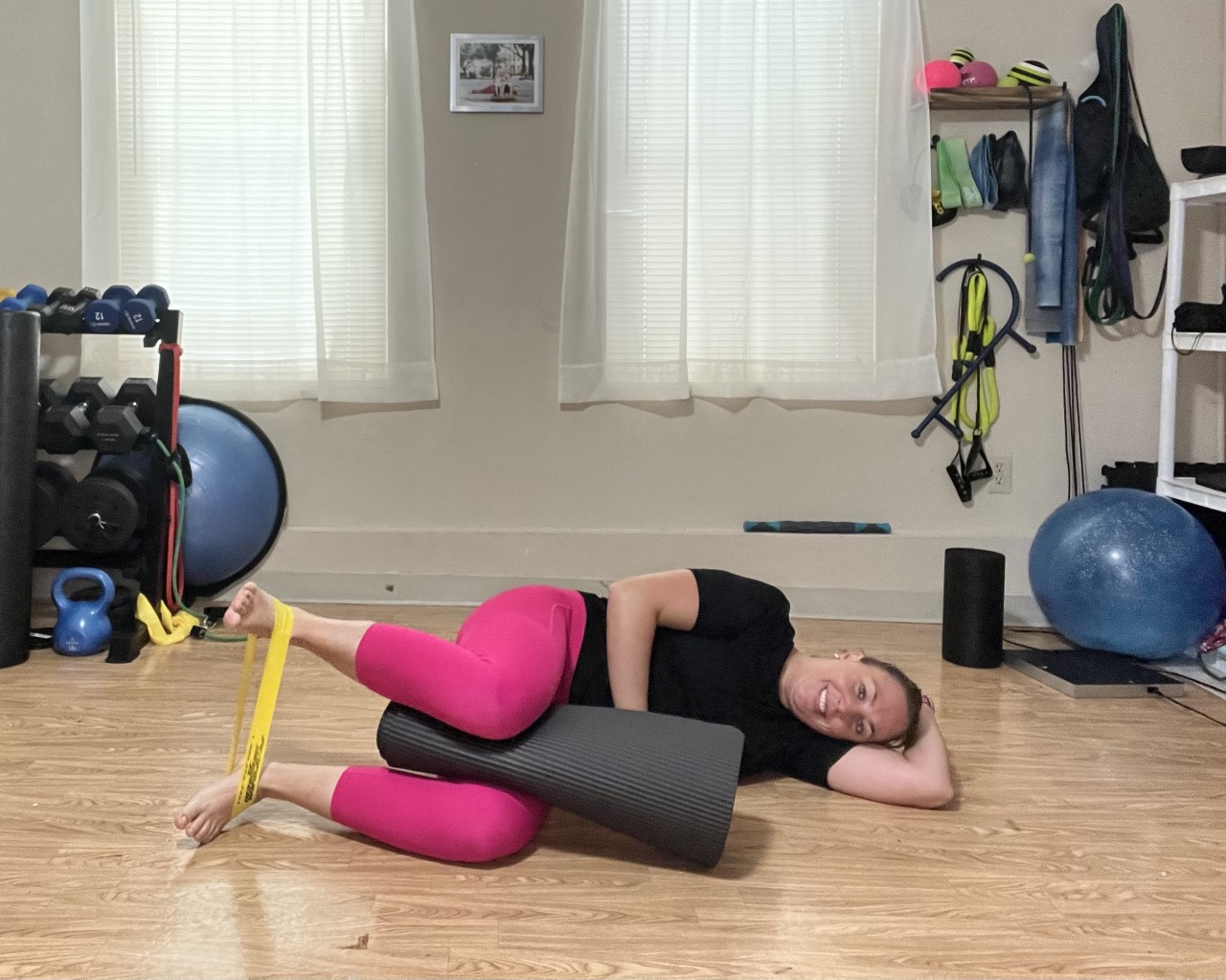
Your Warm-Up Should Match Your Workout
If you’re squatting, your warm-up should include:
- Lighter squats
- Tempo squats
- Squat variations that improve control and depth
If you’re hinging, rotating, or pressing, your warm-up should reflect those patterns — not jumping jacks or random exercises that don’t carry over.
When your warm-up mirrors your workout:
- Your body understands the movement sooner
- Your core manages pressure better
- Your joints feel more supported
- You reduce the chance of pain or symptoms showing up mid-workout
Why Random Warm-Ups Don’t Work Well
Doing exercises just because you’ve “always done them” or because they’re popular doesn’t mean they’re helping you.
Random warm-ups often:
- Don’t prepare the nervous system for load
- Don’t improve movement quality
- Waste time and energy
- Leave you feeling stiff or off during the main lifts
Your warm-up shouldn’t feel separate from your workout — it should feel like the first round.
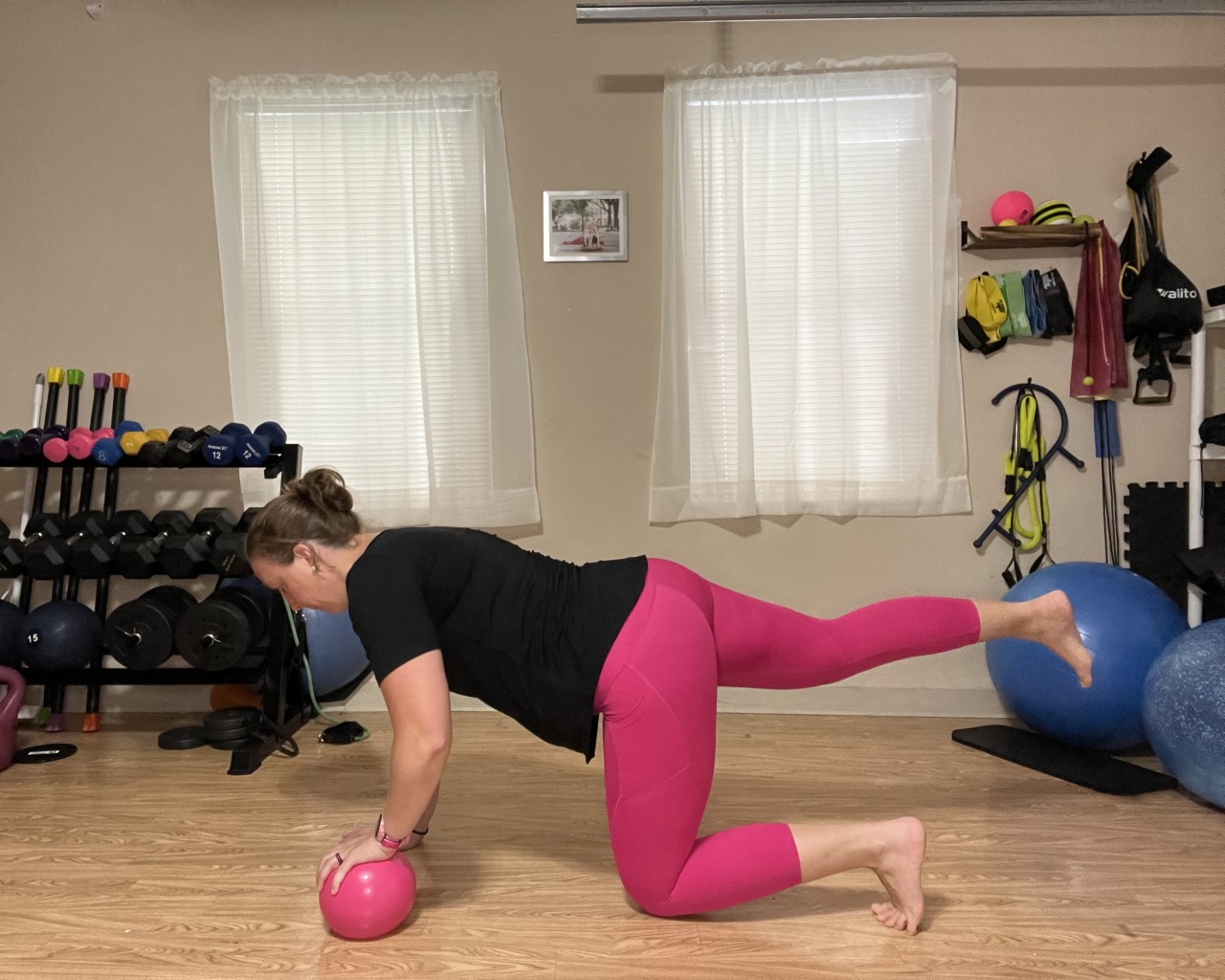
Five Focused Minutes Is Enough
When your warm-up is targeted and relevant, five minutes is plenty.
Those five minutes can make your workout:
- Feel smoother
- Feel stronger
- Feel more controlled
- Feel better on your back, core, and pelvic floor
That’s not about doing more — it’s about doing what acutally matters.
Bottom Line
Stop skipping the warm-up — but also stop making it longer than it needs to be.
A smart warm-up:
- Prepares your body
- Supports your core and pelvic floor
- Makes your workouts safer and more effective
- Saves time
Your warm-up should be the easiest part of your workout — not a separate chore.
If your workouts feel off, rushed, or uncomfortable, this is one of the first places to look.
I have read and agree to the terms & conditions.