Why Your Core Needs More Than Crunches and Kegels
 Jen Landry
Why crunches and Kegels aren’t enough for core recovery. Learn how breathing, posture, and strength affect core and pelvic floor health.
If crunches and Kegels were enough, far fewer women would be dealing with leaks, doming, or back pain during workouts.
Yet this is still the advice most women receive when they’re trying to “fix” their core—especially during pregnancy or after having kids. The problem isn’t effort. It’s the approach.
Your core needs more than crunches and Kegels because your body doesn’t move in isolation in real life.
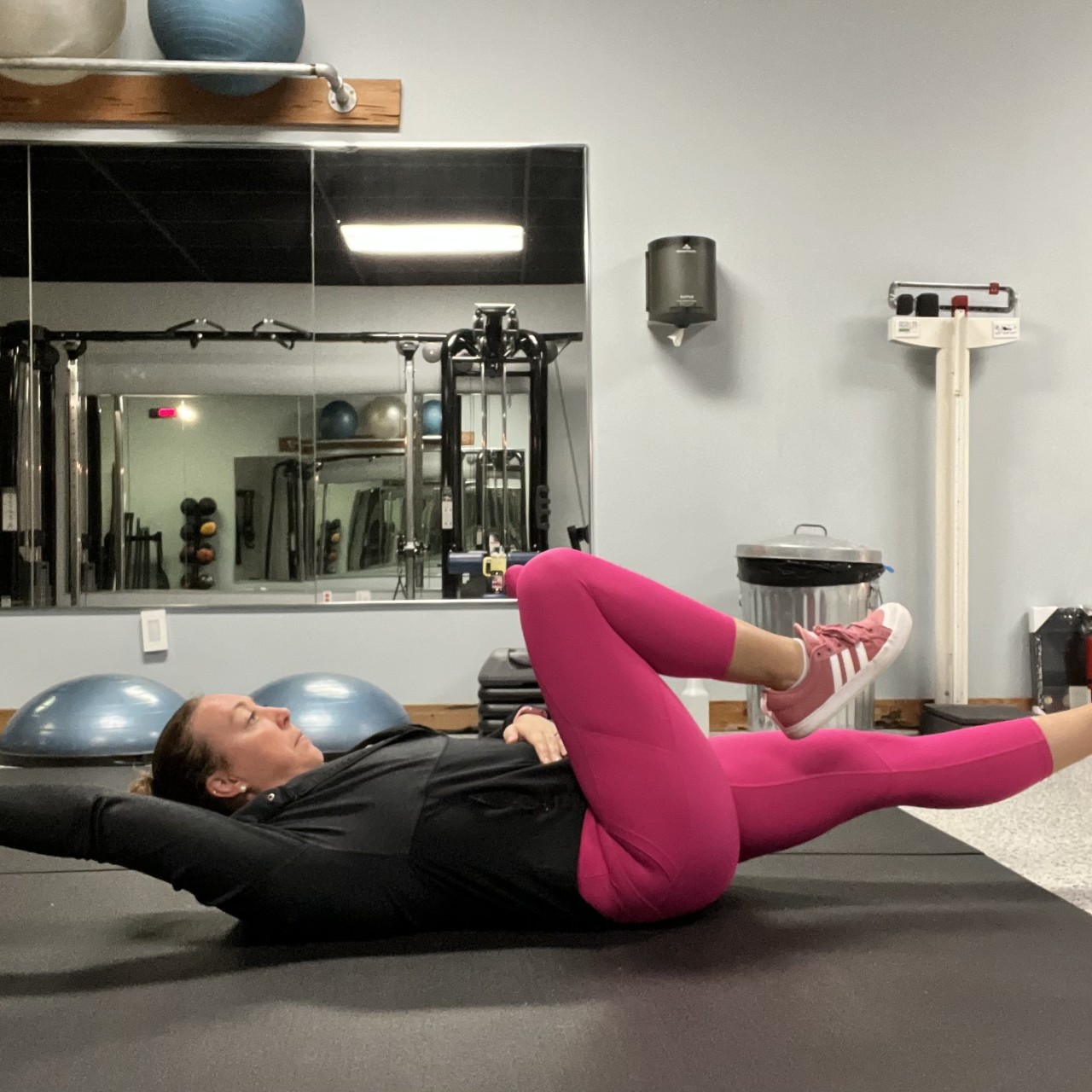
Your Core Is More Than Abs and Pelvic Floor
The core isn’t just your abdominal muscles or your pelvic floor working on their own. It’s a pressure-management system that includes:
- The diaphragm (breathing muscle)
- The abdominal wall
- The pelvic floor
- The muscles that support your spine and hips
Together, these muscles are responsible for controlling pressure, supporting your spine, and managing load when you move.
Think about how often you lift, carry, twist, reach, or brace during daily life. None of those movements happen lying flat on your back doing crunches.
Why Crunches and Kegels Fall Short
Crunches mainly train spinal flexion. Kegels focus on tightening and lifting the pelvic floor. While both can have a place, they don’t teach your body how to manage pressure during real movement.
This is where many women start noticing symptoms like:
- Leaking during workouts or daily tasks
- Doming or coning through the abdomen
- Low back or pelvic pain during ab exercises
These symptoms aren’t a sign that you’re weak or broken. They’re a sign that your core system isn’t coordinating well under load.
Doing more sit-ups or harder Kegels often makes the problem worse, not better.
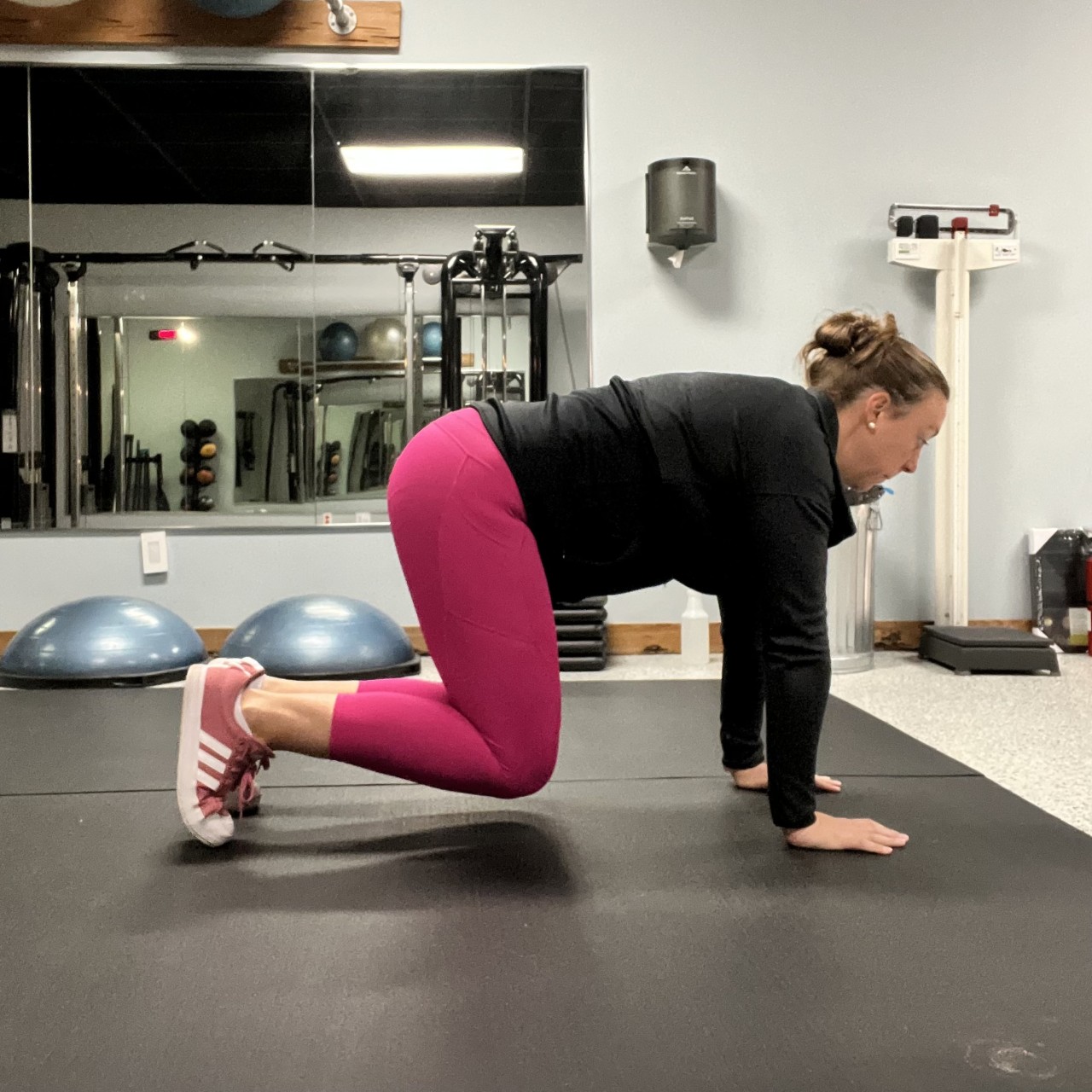
Symptoms During Ab Work (& Life) Are Feedback
When your body leaks, domes, or creates pain during core exercises or daily activities, it’s giving you information.
Something else in the system needs attention.
That “something” is often not the pelvic floor itself, but how the rest of your body is contributing—or not contributing—to the movement.
What Actually Affects Core Function
Your core doesn’t work alone. Its ability to support you depends on several key factors:
Breathing and Rib Cage Position
If your rib cage is flared or your breathing is shallow, pressure can’t be managed well. That pressure often gets pushed downward into the pelvic floor or forward into the abdominal wall.

Posture and Alignment
How you stand, sit, and move all day affects how your core muscles fire. Poor alignment makes it harder for your core to do its job during workouts.
Hip and Glute Strength
Weak or poorly coordinated hips can shift load into the low back and pelvic floor. The core ends up trying to compensate instead of working as part of a team.
Overall Strength
A strong core still struggles if the rest of the body isn’t strong enough to support movement. Full-body strength matters more than people realize.
What Real Core Training Looks Like
Effective core training looks less like isolated ab exercises and more like intentional, well-supported movement.
It includes:
- Strength training that challenges your body as a whole
- Movements that teach your core to stabilize while you lift, carry, and rotate
- Exercises that respect pressure management instead of forcing it
This doesn’t mean core work has to be complicated. It just needs to match how your body actually functions.
Why a Full-Body Approach Matters
Your pelvic floor doesn’t fail because it’s weak. Most of the time, it’s overloaded.
When the rest of the system isn’t doing its share—breathing, posture, hips, and strength—the pelvic floor ends up taking on more than it can handle.
A full-body approach spreads the load, improves coordination, and reduces symptoms without relying on endless isolated exercises.
Your Core Deserves Better Than Old-School Abs
Crunches and Kegels aren’t wrong—but they’re incomplete.
Your core deserves training that supports real life, reduces symptoms, and helps you move with confidence instead of fear.
If you’re tired of doing “all the right things” and still dealing with leaks, doming, or pain, it may be time to stop chasing harder exercises and start training smarter.
Want Help Figuring Out What Your Core Needs?
If you want guidance that looks at your body as a whole—not just your abs or pelvic floor—you can learn more or work with me 1:1 at:
https://www.momsfitlife.com
I have read and agree to the terms & conditions.