Is Pain Really Just Part of Getting Older? Why Aches and Tightness Aren’t Normal
 Jen Landry
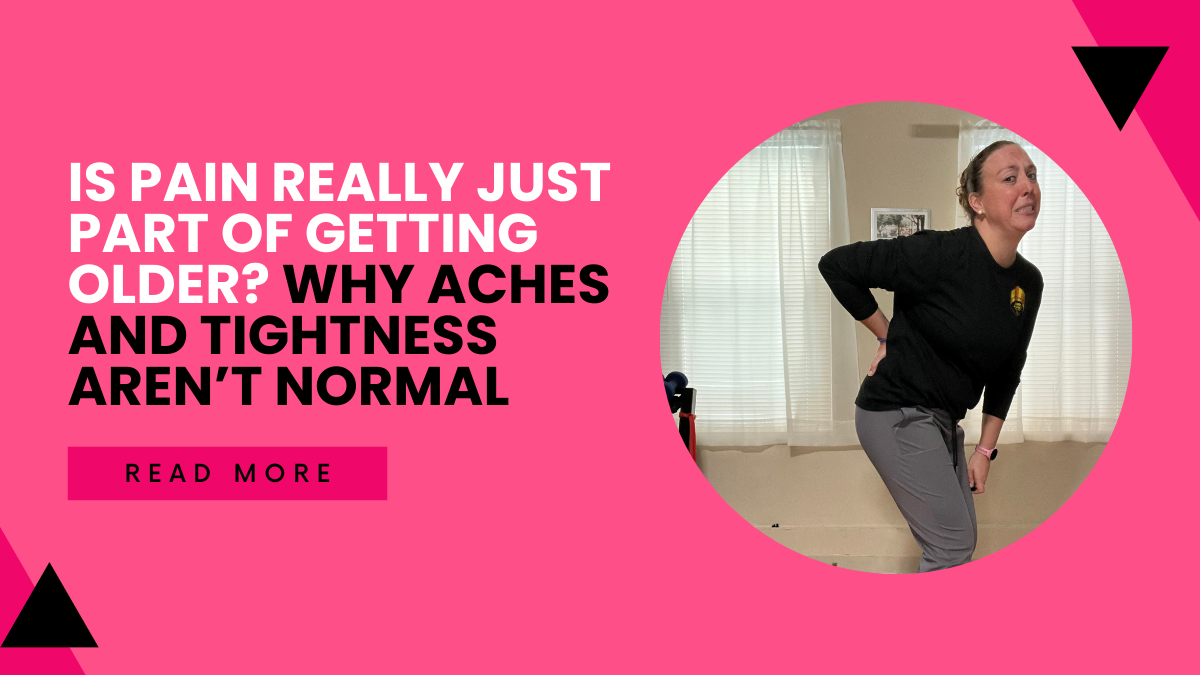
Aches and tightness are common as we age—but not inevitable. Learn why pain isn’t normal and how better support can change it.
Is Pain Really Just Part of Getting Older?
“Notice how casually we say things like…
My back always hurts.
My hips are just tight.
That’s just getting older.”
These statements get tossed around like facts. Over time, pain becomes background noise—something we expect as bodies change, schedules get fuller, and responsibilities pile up.
And because we expect it, we don’t always talk about it. We don’t ask questions. We don’t look deeper.
That’s how pain gets normalized instead of understood.
Common Doesn’t Mean Normal
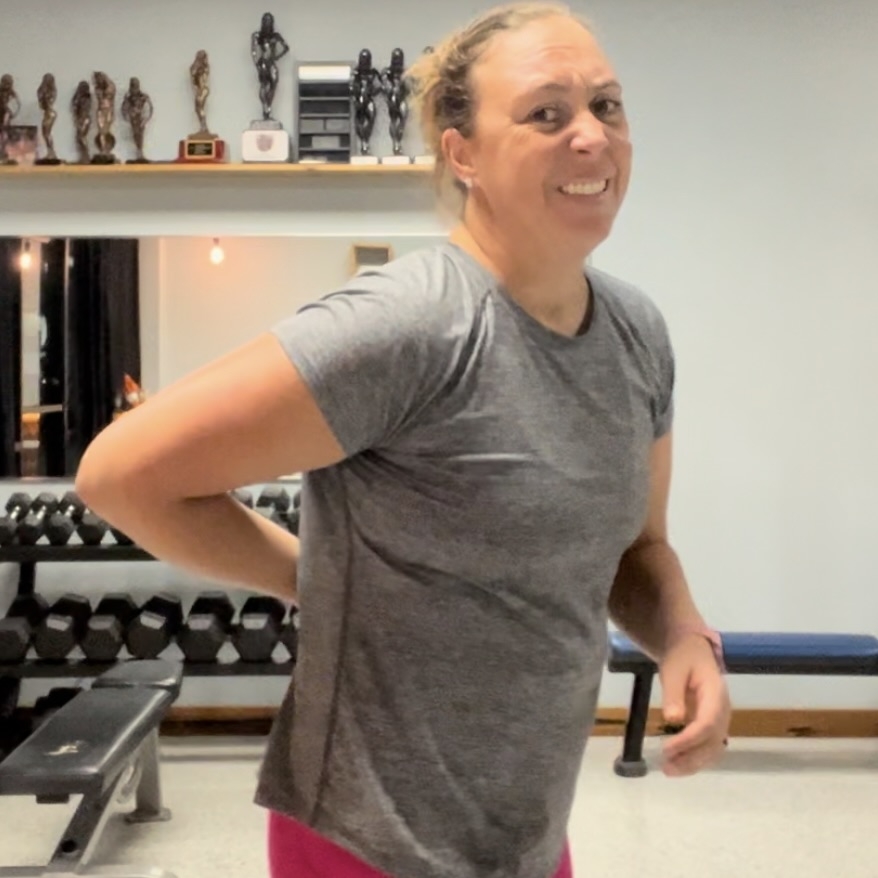
Back pain, hip tightness, and daily aches are incredibly common, especially for active adults and moms. But common doesn’t mean inevitable—or something you’re supposed to live with.
Pain is information.
It’s often a signal that something in the body isn’t being supported, shared, or managed well anymore.
In many cases, pain isn’t caused by damage. It’s caused by how load is moving through the body—or not moving through it at all.
Why Pain Shows Up Over Time
As we age, a few predictable things tend to happen:
- Strength decreases if it isn’t intentionally maintained
- We repeat the same movement patterns daily
- We sit more, carry kids unevenly, train around discomfort, or avoid movements that feel hard
Over time, the body adapts. It finds shortcuts. Load shifts into areas that weren’t designed to handle it long-term.
That’s often when people start saying:
- “My back is always tight”
- “My hips don’t move like they used to”
- “My knees are just bad now”
Those statements describe symptoms—but they don’t explain them.
Getting Older Isn’t the Real Issue
Age alone isn’t what creates pain. What matters far more is:
- Strength capacity
- Core and pelvic floor support
- How well the hips, trunk, and legs share load
- Confidence in movement
When those systems aren’t working together well, pain tends to show up to get your attention.
Ignoring it doesn’t make it disappear—it usually just delays addressing the real cause.

Why Asking “Why” Changes Everything
When people finally ask why they’re hurting, we often uncover:
- Strength gaps that didn’t matter earlier in life
- Core or pelvic floor support that isn’t keeping up with daily demands
- Compensation patterns that quietly built up over time
This is where individualized programming matters.
Rather than guessing or cycling through random workouts, my 1:1 clients start with an assessment of how their body moves and manages load. From there, we build a plan that supports real life—not just exercise for exercise’s sake.
This same pattern shows up even more clearly postpartum. Many women are told that leaking, pain, or instability after having a baby is “just part of motherhood,” so they stop asking questions and start adapting around symptoms. If that sounds familiar, I break this down more specifically in my post on postpartum leaking and pain after pregnancy and why these symptoms are common—but not normal.
You Don’t Have to Accept Pain as the Baseline
Occasional soreness happens.
Living with constant discomfort doesn’t have to.
Pain isn’t a requirement of aging.
It’s often a signal that your body needs smarter strength, better support, and a plan that fits your life.
Asking why is often the first step.
If you’re tired of guessing what your body needs and want a plan built around how you move, this is exactly what my 1:1 training and programs are designed to support.
I have read and agree to the terms & conditions.