Tight Hip Flexors? Why Stretching Isn’t Fixing the Problem
 Jen Landry
Tight hip flexors that won’t loosen up? Learn why stretching isn’t fixing the issue and how posture, core, and glute strength play a role.
If your hip flexors always feel tight—even though you stretch them regularly—you’re not alone.
And no, it doesn’t mean you’re doing the wrong stretch or not stretching enough.
More often than not, tight hip flexors aren’t a flexibility issue at all. They’re a strength, posture, and support issue.
Let’s break down what’s really going on—and what actually helps.
Why Stretching Your Hip Flexors Isn’t Giving You Relief
Hip flexors get blamed for a lot, especially if you sit often or feel stiff in your hips or low back. Stretching can feel good temporarily, but if the tightness keeps coming back, there’s usually something else happening.
Here’s the key thing to understand:
Muscles often feel tight when they’re doing too much work—not when they’re actually short.
If your body is relying on your hip flexors for stability because other muscles aren’t stepping up, they’ll stay tense no matter how much you stretch them.
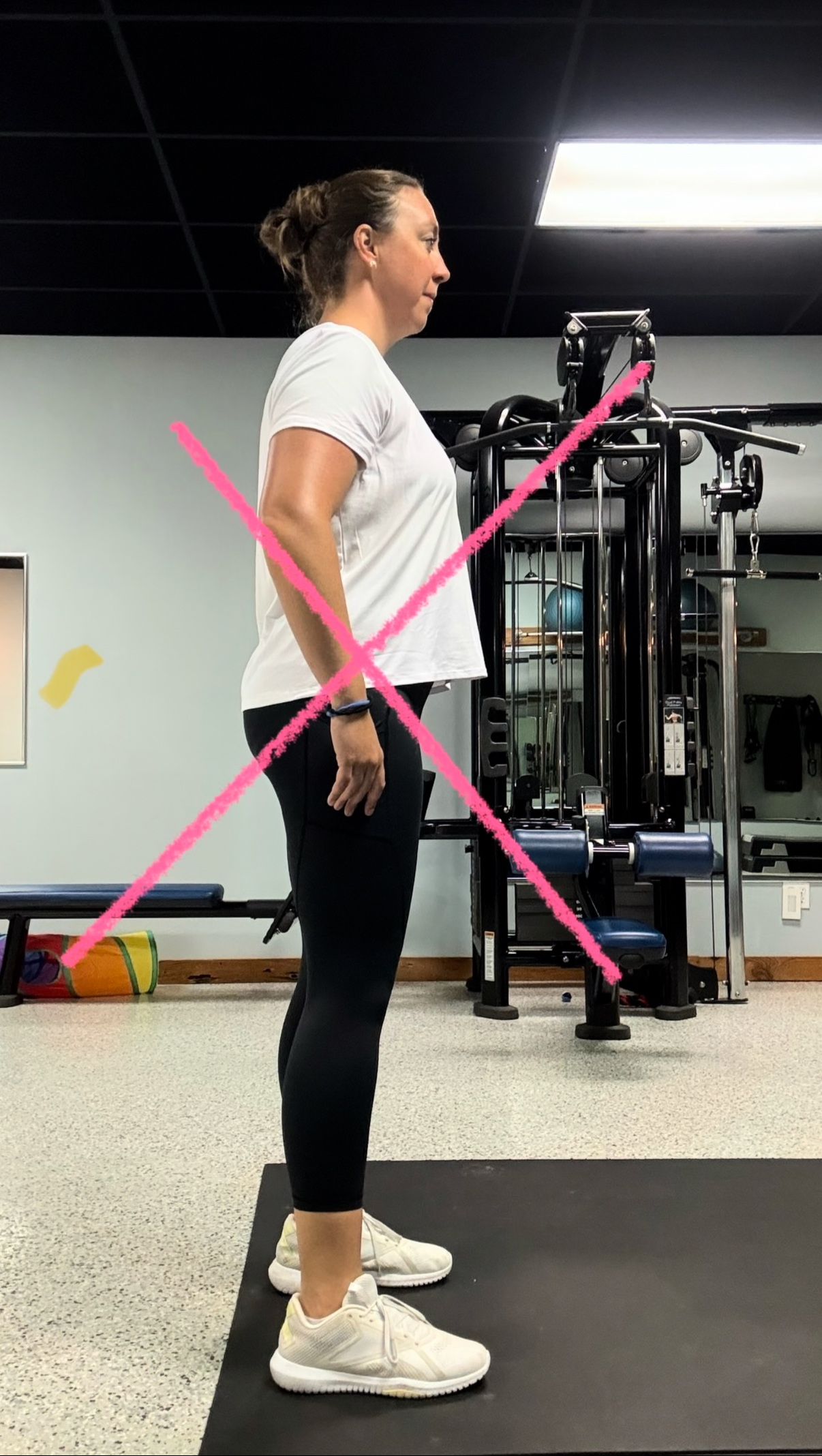
The Role of Posture: APT vs. PPT
Posture plays a huge role in hip flexor tension.
- Anterior Pelvic Tilt (APT):
Pelvis tips forward, ribs flare, low back arches more. Hip flexors are already on stretch and working overtime to stabilize you. - Posterior Pelvic Tilt (PPT):
Pelvis tucks under, glutes and abs may grip, movement options get limited, and hip flexors still don’t get to relax properly.
In both cases, the hip flexors are stuck trying to help control your pelvis because the core and glutes aren’t doing their share.
Stretching alone won’t change that.


Glute Weakness = Overworked Hip Flexors
Your glutes are meant to be powerful hip extensors and stabilizers. When they’re weak, delayed, or not firing well, the hip flexors often jump in to help control movement—especially during walking, standing, workouts, or even just carrying kids.
This is why many women notice:
- Tight hips during or after workouts
- Hip flexor discomfort when standing for long periods
- Low back tightness that never fully goes away
The hip flexors aren’t the problem—they’re compensating.
Don’t Forget the Low Abs and Core Support
Another big piece that’s often missing: low abdominal strength and control.
When the deep core isn’t supporting the pelvis and spine well, the hip flexors again take on more responsibility than they should. Over time, this can show up as:
- Chronic hip tightness
- Low back pain or stiffness
- Difficulty feeling stable during strength training
This is especially common for women who have been pregnant, postpartum, or dealing with core changes for years.
Why Tight Hip Flexors Often Come With Low Back Pain
Hip flexors attach to the pelvis and spine. When they’re constantly overworking:
- They pull on the pelvis
- Increase stress on the low back
- Limit how well your hips move
That’s why stretching your hips might feel good—but your back still feels tight, achy, or “off.”
Relief comes when the whole system works better together, not when one muscle is stretched harder.

What Actually Helps Tight Hip Flexors
Instead of stretching more, focus on:
- Improving posture awareness
- Strengthening the core (especially low abs)
- Building strong, functional glutes
- Learning how to move without gripping or compensating
This doesn’t mean long workouts or complicated routines. It means smart, intentional strength work that supports how your body is designed to move.
Ready to Fix the Root Cause?
If you’re tired of guessing and want a clear plan:
👉 Fit Foundations: Core
A structured program focused on posture, core strength, and movement so your hips and back feel better—without endless stretching.
https://www.momsfitlife.com/courses/fit-foundations-core
Or, if you want personalized support, a 1:1 assessment helps identify exactly why your hip flexors are overworking and what your body needs next.
Stretching isn’t wrong—but it’s only one small piece.
Strength is often the missing link.
Categories: : Deep Core, Glutes, Postpartum
I have read and agree to the terms & conditions.