Can You Start Exercising When Pregnant? (A Simple Guide for Beginners)
 Jen Landry

Can you start exercising while pregnant? Absolutely! Learn how safe, gentle movement supports your core, pelvic floor, posture, and energy.
When you find out you are expecting, your mind immediately fills with questions about what is safe for your body and your growing baby. Among the most common concerns for expecting mothers—especially those who were not following a regular workout routine prior to conceiving—is whether it is safe to begin exercising during pregnancy.
The short answer? Yes, absolutely.
There is a persistent myth in the wellness world that unless you were already an athlete or adhering to a rigorous exercise program before pregnancy, you should avoid starting anything new. Many women worry that introducing physical activity now might cause harm or strain. However, pregnancy is not a time to freeze up or avoid movement altogether; rather, it is an ideal window to introduce intelligent, functional movement patterns that support your body through immense physical transformations.

Reframing Exercise During Pregnancy
When starting an exercise habit during pregnancy, the objective is fundamentally different from general fitness goals. It is not about reaching peak cardiovascular exertion, chasing personal records, or burning calories. Instead, pregnancy exercise centers on functional support, joint longevity, and movement efficiency.
As pregnancy progresses, your body undergoes notable biomechanical shifts. Your center of gravity moves forward,increasing stress on the lumbar spine and pelvis. Hormonal changes, particularly the release of relaxin, soften ligaments and increase joint mobility. Without supportive muscle engagement, these shifts often manifest as lower back aches,pelvic girdle discomfort, and postural fatigue.
Starting a structured, low-impact exercise routine helps stabilize your frame, manage intra-abdominal pressure, and maintain energy levels throughout all three trimesters.
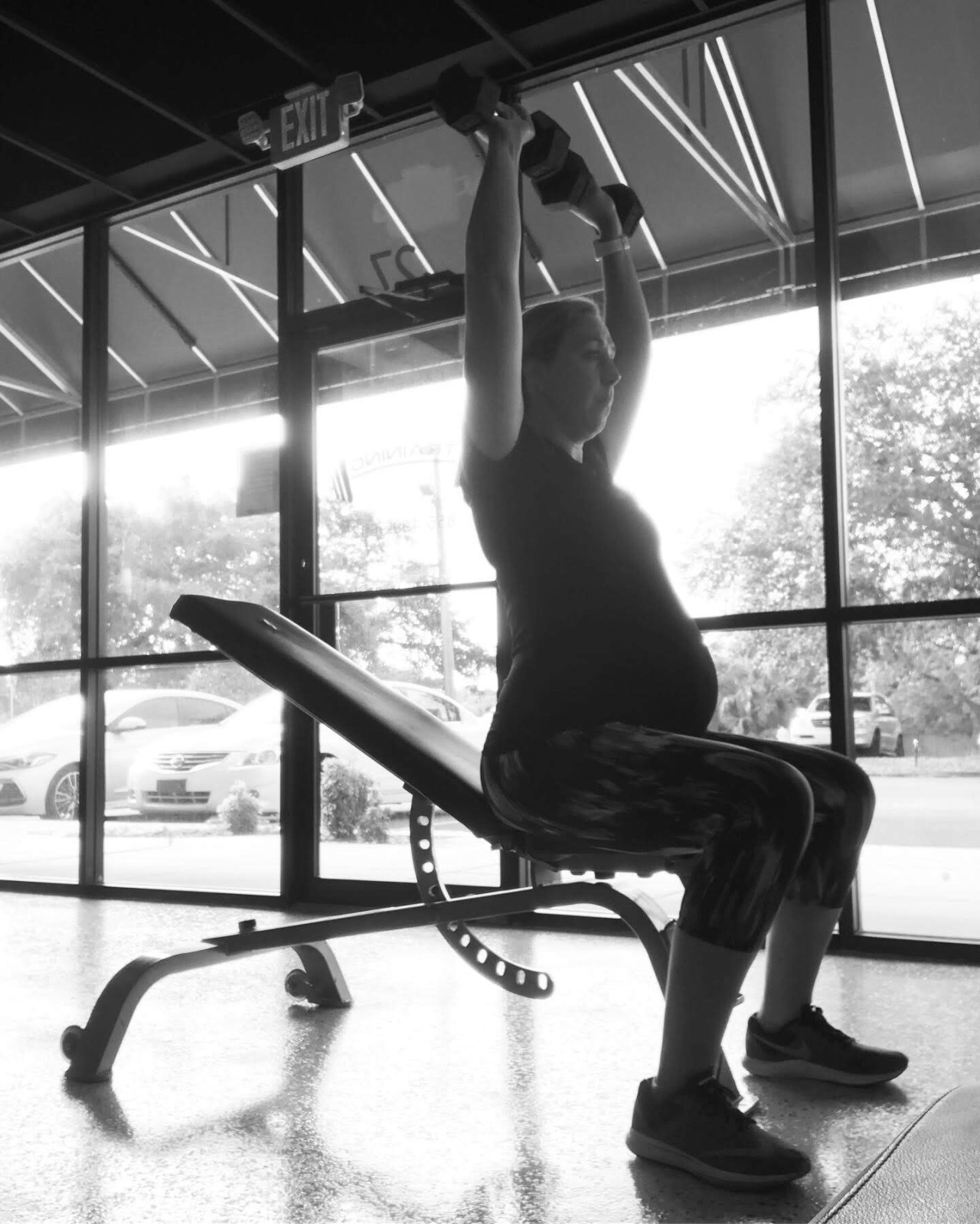
The Key Benefits of Starting Exercise in Pregnancy
1. Improved Postural Alignment and Joint Relief
As the abdominal wall expands, the muscles of the upper back, glutes, and hips must work harder to keep you upright.Simple strength patterns bolster these key areas, counteracting the forward pull of the abdomen and mitigating joint strain.
2. Core and Pelvic Floor Integration
Core health in pregnancy extends far beyond superficial abdominal muscles. Incorporating 360-degree breathing—where you inhale into the sides and back of your ribcage—allows your diaphragm, abdominal wall, and pelvic floor to coordinate dynamically. This pressure management strategy supports pelvic stability and reduces unnecessary strain on the pelvic floor as your baby grows.
3. Enhanced Energy and Sleep Quality
Pregnancy fatigue can feel overwhelming, particularly in the first and third trimesters. Gentle, consistent movement increases oxygen circulation, boosting daily energy and aiding in more restorative sleep at night.
4. Preparation for Labor and Postpartum Recovery
Labor is a physical event requiring stamina, mobility, and breath management. Furthermore, caring for a newborn involves constant lifting, bending, and carrying. Building foundational movement coordination during pregnancy prepares your body for these practical demands and creates a smoother runway for postpartum recovery.
3 Golden Rules for Beginners
If you are beginning an exercise routine during pregnancy, keep these three safety guidelines at the forefront of your practice:
- Obtain Medical Clearance First: Always discuss your plans with your healthcare provider, OB-GYN, or midwife to confirm there are no medical contraindications specific to your pregnancy.
- Use the "Talk Test" for Intensity: Avoid working to exhaustion. A reliable gauge is the Rate of Perceived Exertion (RPE) scale, aiming for a 4 to 6 out of 10. You should comfortably hold a complete conversation without feeling winded.
- Prioritize Mechanics Over Intensity: Focus on slow, controlled execution rather than high reps or speed. Quality movement patterns protect your joints and yield far greater benefits.
Simple Starter Movements for Expecting Mothers
You do not need specialized gym machinery or complicated routines to begin. Here are three accessible exercises to incorporate into your week:
- 360-Degree Diaphragmatic Breathing: Sit comfortably on a chair or stability ball. Place your hands gently on the sides of your lower ribs. Inhale deeply, feeling your ribcage expand laterally and backward into your hands without shrugging your shoulders. Exhale naturally, allowing the core to gently recoil. Practice this for 1–2 minutes daily.
- Supported Chair Squats: Stand with feet slightly wider than hip-width apart in front of a sturdy chair. Hinge at your hips and bend your knees to softly tap your glutes to the seat, keeping your chest upright. Press evenly through both feet to return to standing. Complete 8 to 10 controlled repetitions.
- Standing Resistance Band Rows: Secure a light handle band around a sturdy door anchor at chest height. Hold the handles, step back to create gentle tension, and pull your elbows back toward your hips while keeping your ribs settled over your pelvis. Perform 10 to 12 controlled reps to strengthen your upper back.
Starting to move during pregnancy is not about perfection or intense sweat sessions—it is about meeting your body exactly where it is today. By listening to your internal feedback and focusing on foundational alignment, you can cultivate strength, comfort, and confidence throughout your entire pregnancy journey.
I have read and agree to the terms & conditions.