The 6-Week Myth: Why the "Wait" is Outdated
 Jen Landry
The 6-week clearance is a milestone, not a starting line. Learn why gentle movement and breathwork should start much earlier.
If you’ve recently given birth, you’ve likely been handed a golden rule: wait six weeks, see your doctor, and then you can get back to your life.
We treat the six-week postpartum checkup like a magic finish line. Before that appointment, the advice is usually, "Don't lift anything heavier than 10 pounds." Then, the moment your doctor gives you the green light, the expectation flips to, "Great, you're cleared! Go ahead and jump back into your CrossFit class or start training for that marathon."
But here is the honest truth: the six-week clearance is a milestone, not a starting line. And sitting on the sidelines doing absolutely nothing until that date might actually be holding your recovery back.
The Importance of the Six-Week Checkup
Let’s be very clear: the six-week checkup is incredibly important and should never be skipped.
This appointment is a vital medical check-in. It’s the time for your doctor to examine how your body is healing internally. They are checking to ensure your uterus is contracting back down properly, any stitches (from a tear, episiotomy, or C-section) have healed safely, and that your overall medical recovery is on track.
However, there is a massive gap between "medically healed" and "ready to sprint."
The 10-Pound Realistic Disconnect
The advice to "not lift more than 10 pounds" for the first month and a half sounds great in theory, but it completely ignores the reality of motherhood.
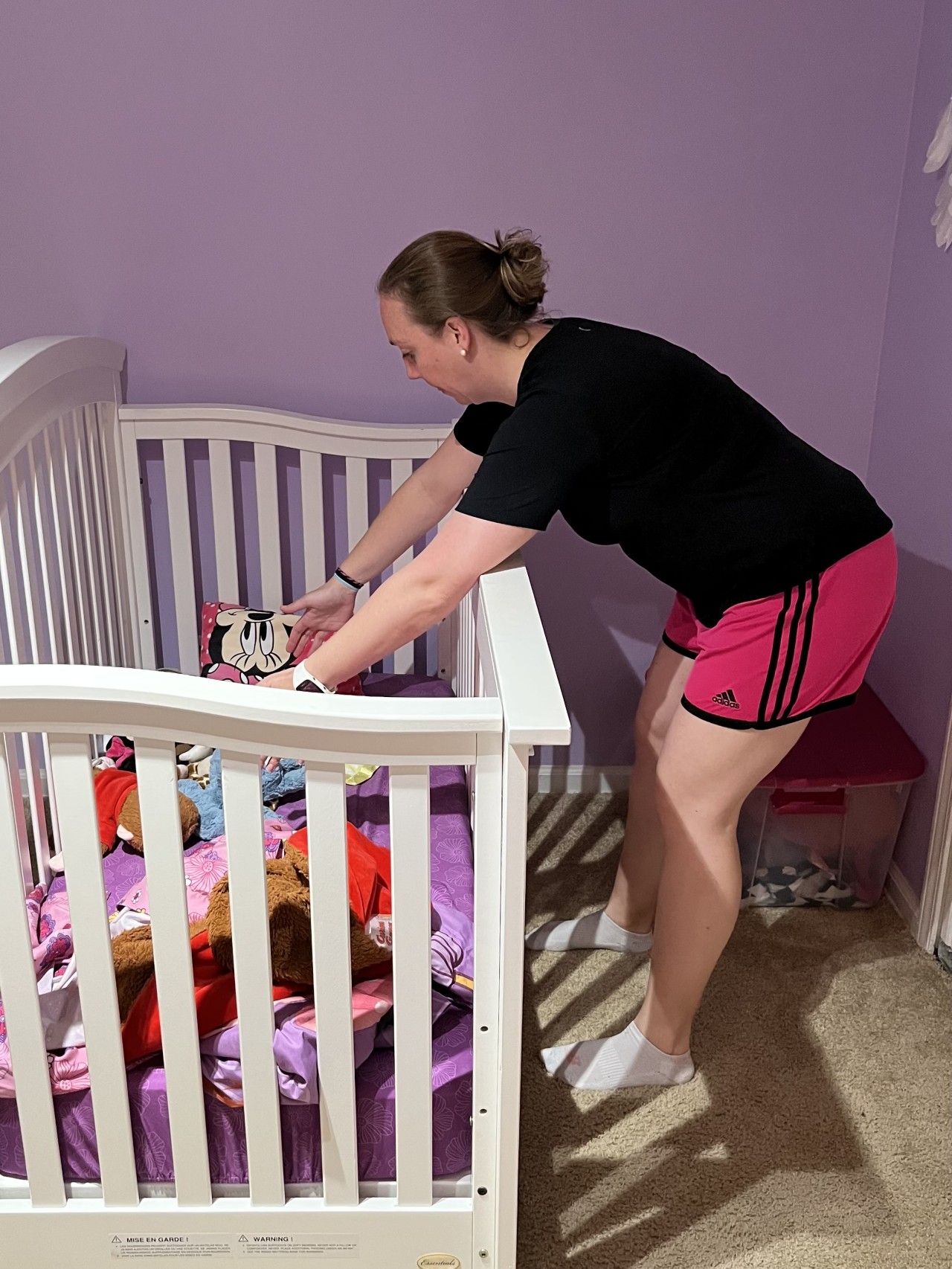
A newborn baby in an infant car seat easily exceeds 10 pounds. You are lifting that heavy, awkward carrier out of the car, hauling strollers, bending over cribs, and scooping your baby off the floor dozens of times a day.
Because no one teaches new moms how to get up properly from a deep couch, out of bed, or how to lift a baby safely, we tend to pick up some really bad physical habits in those earliest, exhausted weeks. Then, at the six-week mark, most women dive straight back into full-intensity workout classes like nothing ever happened. We expect our bodies to perform, even if our weights are lower or our reps don't feel as crisp.
This drastic jump from doing nothing to doing everything is exactly what leads to new aches, pains, or pelvic floor symptoms.
Why Birth Needs the "Joint Surgery" Treatment
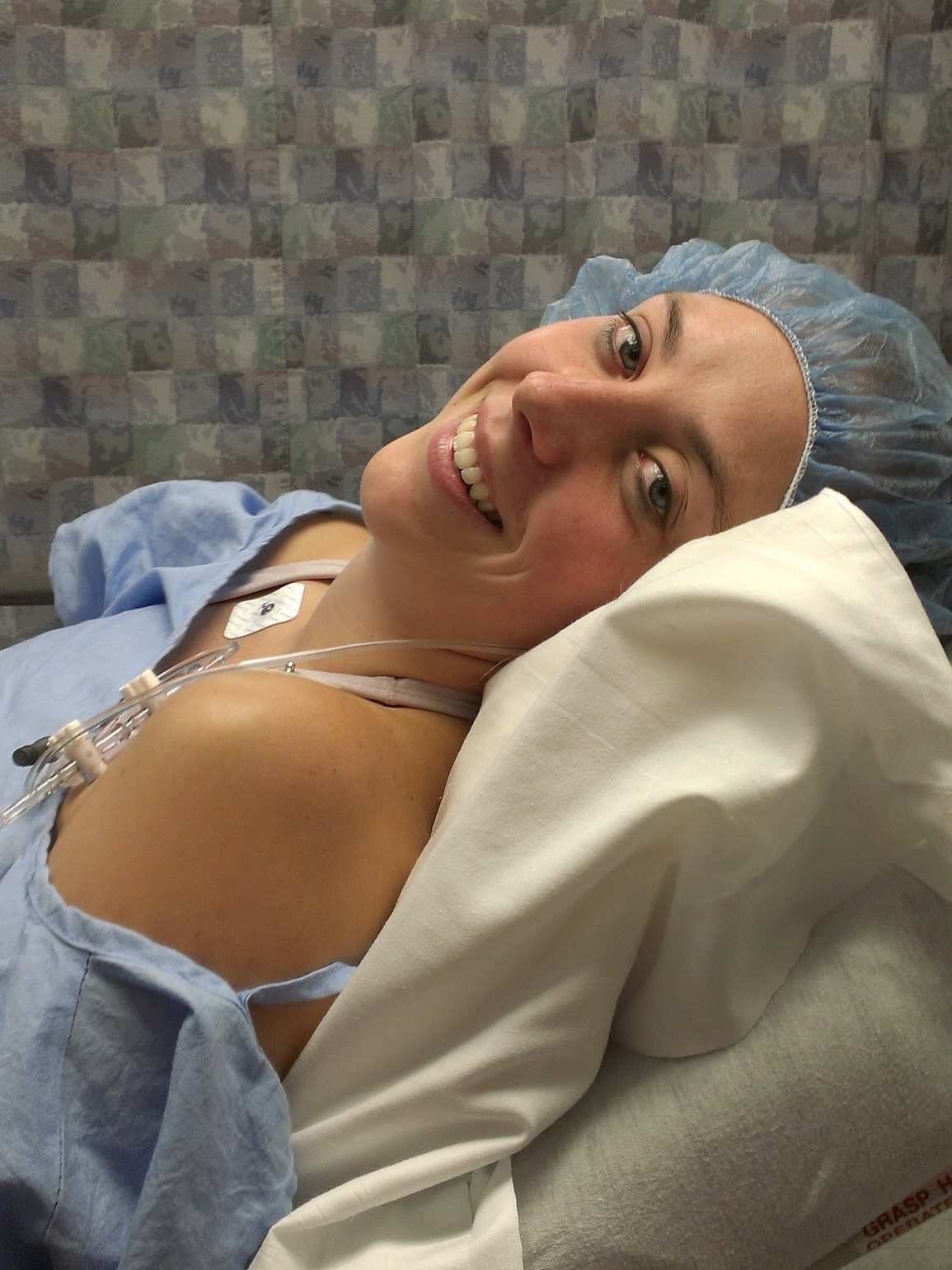
I often tell my clients that we need to treat birth with the same respect we treat a major joint surgery.
Think about it: if you had a total knee replacement, you wouldn't sit on the couch for six weeks and then immediately go for a run the day your stitches came out. You would have a structured, progressive rehab plan.
- Pre-hab: Strengthening the body before the event.
- The Event: The surgery (or in this case, birth).
- Rehab: Guided, intentional movement to restore function.
In athletic rehab, you are definitely not cleared to run, jump, or lift heavy until you hit specific strength and movement markers. Postpartum recovery should be no different. During pregnancy, we need movements that prepare and strengthen the body. During labor and birth, having the right technique and knowledge is key. And immediately after birth, we need guided, progressive healing.
What You Can (and Should) Do in the First 6 Weeks
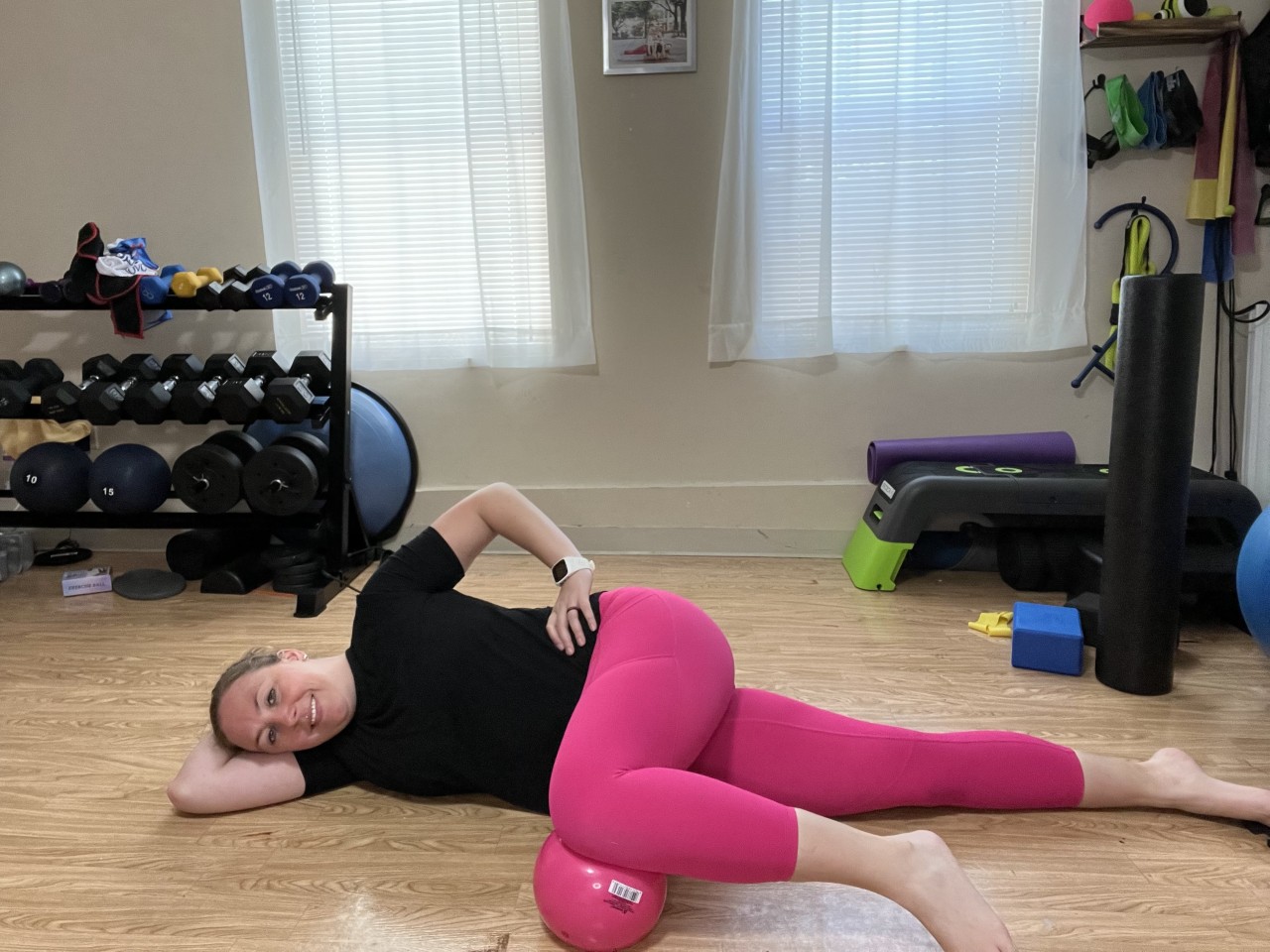
You don’t have to wait for six weeks to start your recovery. In fact, the early days are the perfect time to build a rock-solid foundation.
During those first six weeks, your focus should be on:
- Smooth, slow, progressive breathing: Reconnecting your breath to your pelvic floor and core.
- Gradual core engagement: Slowly increasing the use of your deep core and creating gentle tension as it feels good to your body.
- Functional movement patterns: Learning how to move, lift, and breathe during the daily demands of newborn life. This means mastering how to lift and lower from a crib, how to manage the stroller, and how to get up from a couch or bed without straining your abdominal wall.
This isn't about losing your old workouts; it's about adding a necessary focus on getting your deep system as strong as possible from day one.
The Next Steps: Beyond 6 Weeks
Once you hit that six-week mark and receive medical clearance from your doctor, you don't have to guess where to start. You get to take this new foundation of breathing patterns and functional movement and start increasing your challenges.
You aren't shocking your system by going from 0 to 60. Instead, you are just naturally progressing the early work you've already mastered. Your recovery becomes a seamless, safe upward line—not a jarring leap.
Ready to start your recovery the right way?
Don't let the 6-week myth dictate your healing. Learn how to safely reconnect with your body, master functional movement, and protect your pelvic floor from day one.
Download our Free Pelvic Floor Essentials Guide today!
Want to explore further?
- Up Next: Leaking Isn't Permanent
- Back to: 7 Postpartum Essentials Everyone Mom Should Know
Categories: : Breathing, Deep Core, Pelvic Floor & Core Health, Postpartum
I have read and agree to the terms & conditions.