Prenatal Exercise: Adjustments Matter (But Not the Ones You Think)
 Jen Landry
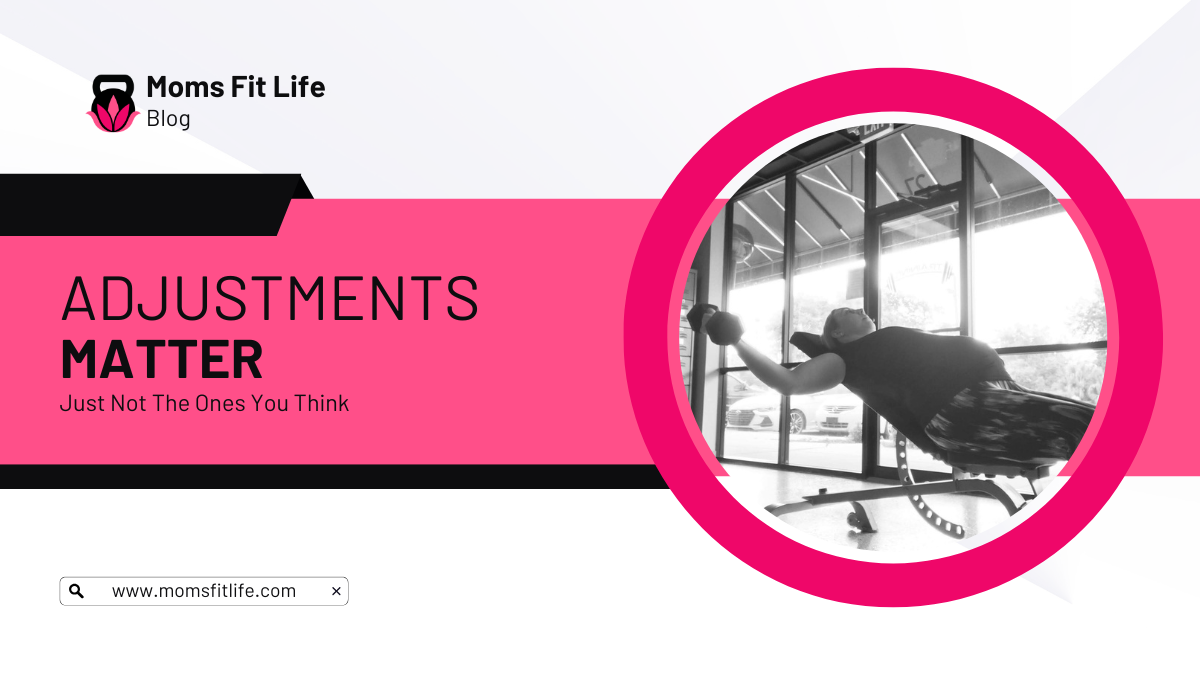
Learn why prenatal workout modifications matter. Stay active, prevent back pain, and prepare for birth with these smart pregnancy exercise tips.
The standard advice for pregnant women usually falls into two camps: "Keep doing exactly what you were doing before" or "Sit on the couch and don't lift anything heavier than a latte." Both of these miss the mark.
As your body changes, your movement must change. You absolutely can stay active, and if you weren't exercising before, now is a great time to start with the right support. However, we need to shift how we think about the goal of movement during pregnancy. This isn't a season for chasing PRs or pushing for maximum strength—even if progress still happens. Instead, it’s about preparing your body to make labor easier and setting the foundation for a smoother recovery on the other side.

The "Why" Behind Prenatal Workout Modifications
During pregnancy, hormonal shifts increase joint laxity, and your center of gravity naturally changes, often leading to that classic arch in the lower back. If you try to power through your old workout routine without adjusting for these structural shifts, you’re essentially inviting lower back pain or putting unnecessary stress on your pelvic floor.Making smart pregnancy exercise adjustments isn’t about dialing back your effort; it’s about changing the angle of application to protect and support your body.
3 Practical Examples of Smart Adjustments
- Move to Inclines: Instead of standard push-ups or planks on the floor, elevate your hands onto a bench, a sturdy box, or a wall. This reduces the direct intra-abdominal pressure on your midline, helping you manage or prevent diastasis recti while still getting a great upper-body workout.
- Tweak Your Stance: If a traditional squat is starting to feel heavy or uncomfortable in your pelvis, try widening your stance slightly or using a chair for a box squat. If dynamic lunges feel unstable, switch to stationary split squats to keep your hips level.
- Use Props for Feedback: Utilizing blocks, resistance bands, or wedges isn’t "cheating"—it’s providing your body with the sensory feedback it needs to maintain optimal alignment and maximize the benefits of the movement.
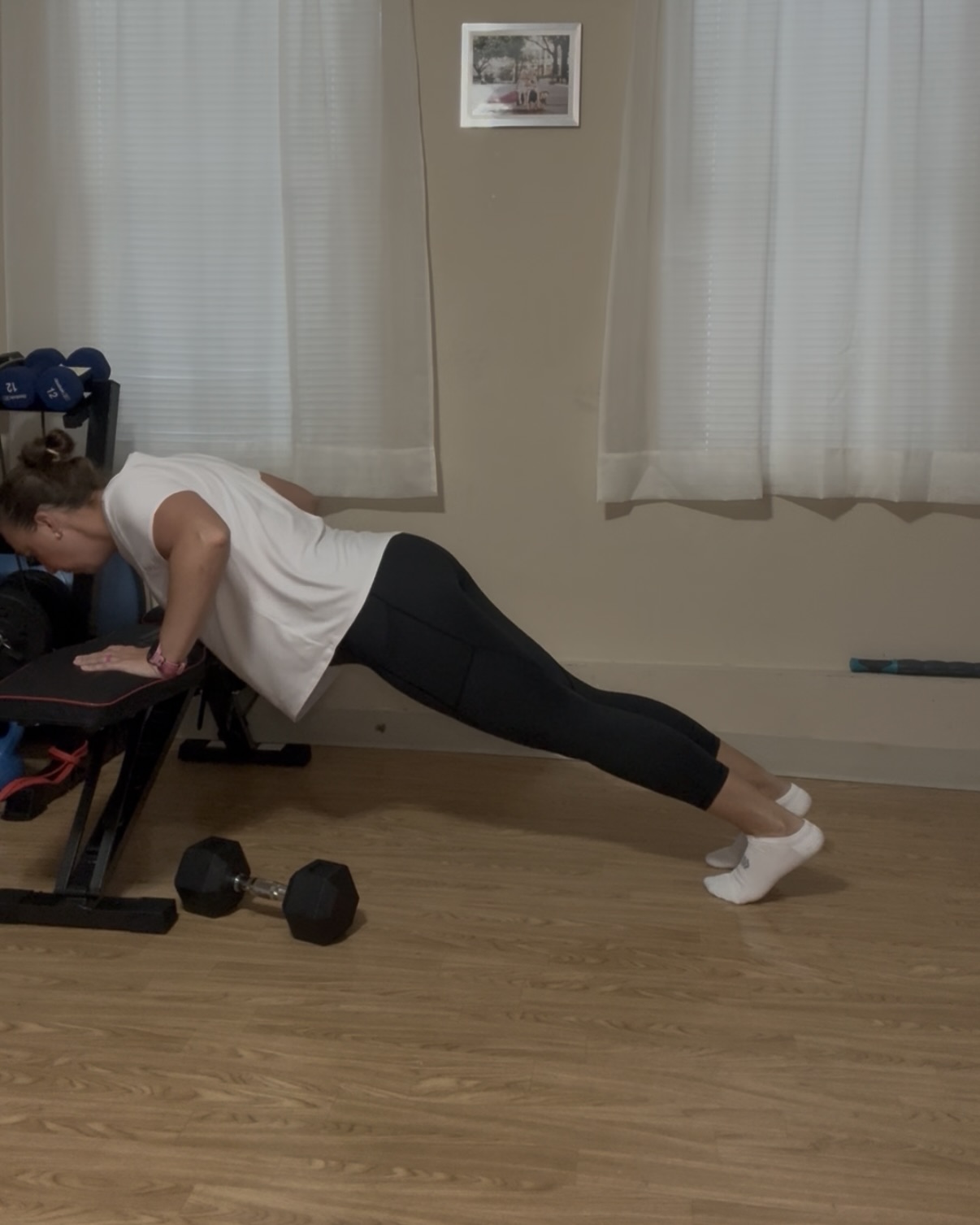
Focusing on Posture and Stability
A good prenatal routine should target the areas most affected by your changing posture. The upper back often gets tight from the weight of a growing bump (and later, from holding and feeding a newborn), while the hip flexors can become tight and overworked.
To balance this out, we focus on opening movements for the chest and stability-based movements for the hips and core.
Staying active is always the goal. We just want to move in a way that respects the exact season your body is in right now. It's about exercising smarter, not just taking it easy.
Move smarter with my Pelvic Floor Essentials Guide.
Want to explore further?
- Back to: 7 Things to Know Before Baby
- Next Up: You Can Monitor Diasatasis Recti
- Another Helpful Resource: 7 Postpartum Essentials Every Mom Should Know
I have read and agree to the terms & conditions.