7 Things to Know BEFORE Having a Baby
 Jen Landry
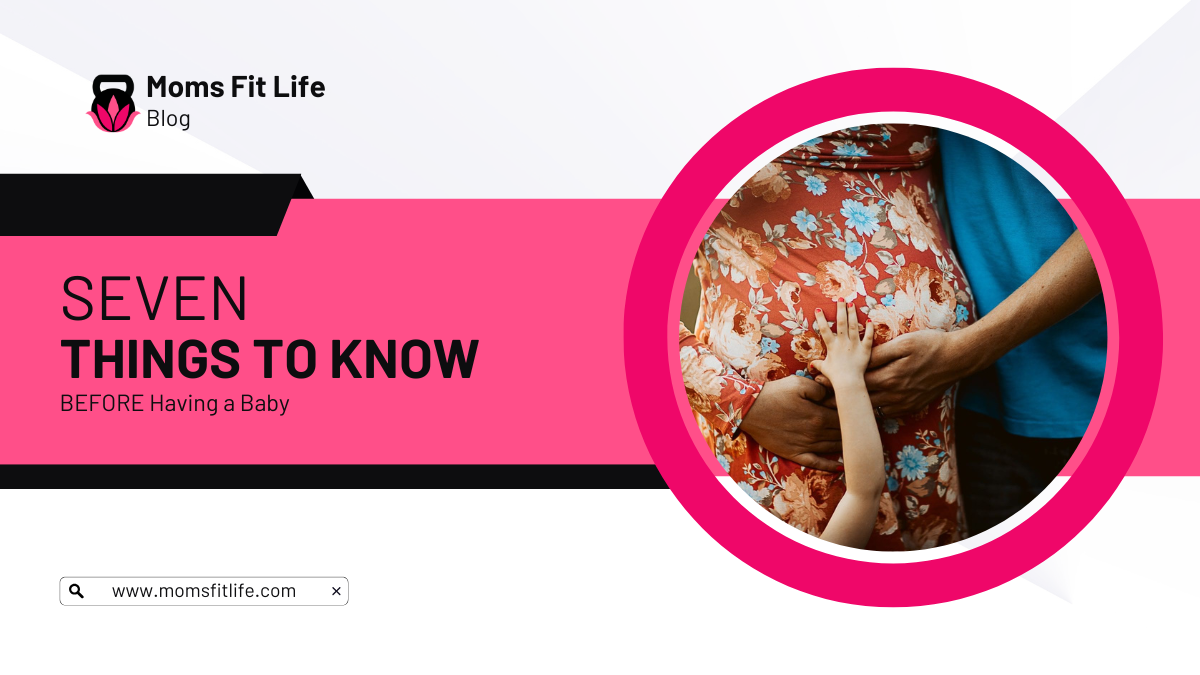
Learn the 7 essential things to know before having a baby to ensure a functional recovery and avoid common postpartum injuries.
Often when we think about pregnancy and postpartum, we focus entirely on the baby.
From prenatal appointments to baby showers and the countless postnatal checkups, the focus stays on the little one. Is the baby growing, eating, pooping, and sleeping like they should?
Meanwhile, we rarely stop to ask how mom is doing.
While taking care of the baby is incredibly important, mom should matter and be prioritized just as much. One way we can advocate for moms is to educate ourselves during pregnancy—especially when it comes to the physicality of pregnancy and labor. In reality, preparing your body for birth should be treated similarly to preparing for a major athletic event or recovering from an injury: with dedicated pre- and post-natal movement support.
Most moms are told they need to modify their workouts during pregnancy but are never told how. Instead, they're just told to "wait until the 6-week checkup" to even think about fitness. I’m here to tell you that’s a myth. You can set yourself up for a much smoother postpartum recovery by understanding how your body actually works while you’re still pregnant.
69fcaf885820b_lg.jpeg)
Here are the 7 things I wish every pregnant woman knew:
- Recovery Starts in Pregnancy: You don’t have to wait for the baby to arrive to start the healing process. Early intervention is the secret sauce to a stronger postpartum. If you currently work out, it doesn't mean you need to change everything, either. It means learning to maintain that mind-body connection, understanding common postural changes, and knowing how to adjust your workouts to prevent issues. It’s about creating a more focused workout with a brand-new end goal.
- Pressure Management is Everything: It’s all about 360 breathing. Learning to manage intra-abdominal pressure now is your best defense against injury later. You want to make sure you can continue to connect to your deep core, contract and relax the pelvic floor, and identify signs that you need to adjust or stop. Mastering this during pregnancy not only prevents symptoms later, but it also helps you safely get right back into movement once you are postpartum. It can even help guide you in those first 6 weeks.
- Leaking Isn’t Permanent: Just because bladder leakage is common doesn't mean it’s normal. It is simply a symptom of how we manage internal pressure, and we can absolutely resolve it. If you have ever heard someone say "welcome to motherhood" or "that's just the way it is now," know that you don't have to settle. You shouldn't enter motherhood feeling broken, weak, or symptomatic.
- Pelvic Floor Work IS Core Work: Your pelvic floor is the "basement" of your core. You cannot have a stable core without a functional pelvic floor. So many postpartum symptoms (like leaking, back or hip pain, or prolapse) happen because we either neglected the pelvic floor or focused too much on the abs. The trunk is a complete system, and it needs all parts in working order to function well. We cannot train the pelvic floor in isolation (hello, endless kegels), and we cannot train the abs in isolation. They are connected, and we need to work them as a unit.
- Adjustments Matter: Staying active isn’t just about doing "less"—it’s about moving differently. We can use props and subtle postural tweaks to keep you moving safely. Understanding what your alignment should look like, how pregnancy changes it, and which muscles tend to become problematic postpartum makes a world of difference. Adding simple adjustments to what you are already doing will support your body’s ability to grow and recover. You don't need to stop your routine; you just need to shift your goals.
- You Can Monitor DR: You can catch and manage abdominal separation early. By watching how you move and manage pressure, you can prevent Diastasis Recti (DR) from worsening. Everyone experiences some degree of DR in the final weeks of a full-term pregnancy—it’s how the body naturally makes room for a baby! However, understanding the signs of excessive midline pressure now will completely change how you heal later.
- There are Pros Who Can Help: You don't have to DIY this journey. Between pelvic floor physical therapists and specialists who understand prenatal fitness, there is a whole village ready to support you. Ask for help, share your story, and get second opinions. The further I get into my own motherhood and coaching journey, the more I realize how much I missed out on early on simply because I didn't ask enough questions. Don't settle for "that's just part of being a mom" anymore.
Ready to start your journey? Grab my Pelvic Floor Essentials Guide to learn how to move safely during pregnancy and beyond!
- Up Next: Why Recovery Actually Starts During Pregnancy
- Another Helpful Resource: 7 Postpartum Essentials Every Mom Should Know
Categories: : Pelvic Floor & Core Health, Pregnancy
I have read and agree to the terms & conditions.