You Can Monitor Diastasis Recti (Early!)
 Jen Landry
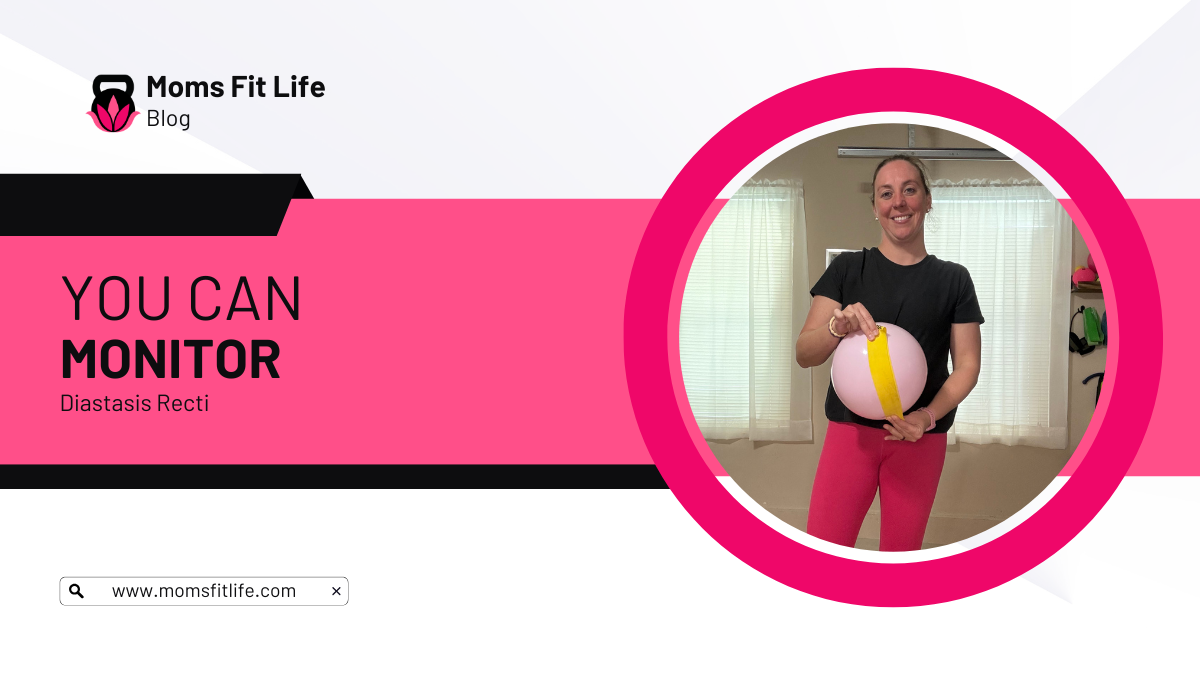
Don't fear Diastasis Recti. Learn how to monitor coning and doming during pregnancy to protect your abdominal midline for a better recovery.
Demystifying Diastasis Recti: How to Check for Coning and Manage Core Tension
Diastasis Recti (DR) is one of those terms that women either have never heard of, or they are utterly terrified of. There is a massive amount of fear-mongering and misinformation surrounding DR online, so let’s ground ourselves back in actual science.
First and foremost: DR is the natural separation of the rectus abdominis muscles (your "six-pack" muscles) to allow room for your growing baby. In fact, 100% of women have some degree of abdominal separation by the end of the third trimester. It is not an "injury"—it is an incredible anatomical adaptation. The goal during pregnancy isn't to prevent it entirely; it's to effectively manage the pressure and tension across that midline.
What to Look For (The "Coning" Check)
You can start keeping an eye on your midline as early as the second trimester. When you are moving—whether you’re simply getting out of bed or doing a bird-dog during a workout—watch the center of your stomach.
- Coning or Doming: If you see a ridge, a point, or a "loaf of bread" shape popping out along your midline, that is a sign that your internal pressure is pushing outward against that stretched connective tissue.
- The Adjustment: If you see coning, do not panic! It is simply information. It means you need to adjust your strategy. Try changing your breath—focus on a 360 breathing pattern and exhale on the hardest part of the effort—or modify the movement to something where you can maintain a flat, stable midline.

Why Monitoring Matters
By catching these "pressure leaks" early, you prevent the connective tissue (the linea alba) from being stretched excessively. This makes your postpartum core recovery much faster and more effective.
It is also vital to know that "closing the gap" isn't the ultimate measure of healing. If you can create excellent tension at the midline, you can have a fully functional, strong core even if a slight gap remains. Depth and tension are much more important than width.
You do not need to be afraid of your core during pregnancy. You just need to be an active participant in how it moves. (And no, you definitely do not need to stop exercising altogether—just watch for the signs!)
Manage your DR with confidence using the Pelvic Floor Essentials Guide.
Want to explore further?
- Back to: 7 Things to Know Before Baby
- Next Up: Building Your Village
- Another Helpful Resource: 7 Postpartum Essentials Every Mom Should Know
Categories: : Diastasis, Pelvic Floor & Core Health, Pregnancy
I have read and agree to the terms & conditions.