Postpartum Leaking and Pain: Why These Symptoms Are Common—but Not Normal
 Jen Landry
Leaking and pain after pregnancy are common, but not normal. Learn why postpartum symptoms persist and how proper support helps.
Postpartum Leaking and Pain: Why These Symptoms Are Common—but Not Normal
“Most women expect to pee their pants after having a baby.”
That belief is so widespread that many women don’t even question it. They adapt instead. They wear liners. They avoid jumping. They change how they work out—or stop altogether.
Because “everyone talks about it,” these symptoms quietly become accepted.
But just like pain with aging, postpartum symptoms being common doesn’t make them normal.
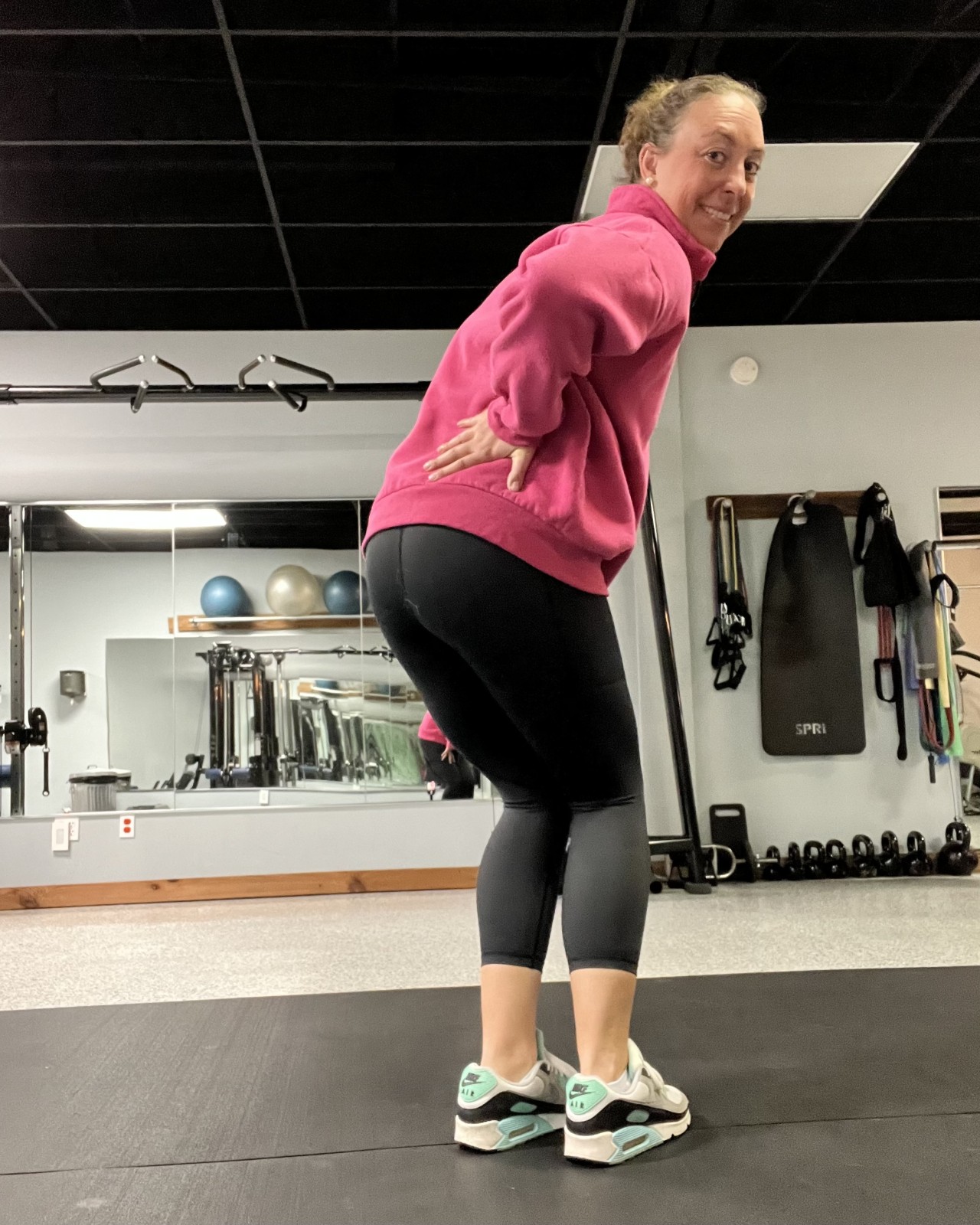
How Postpartum Symptoms Get Normalized
After pregnancy and birth, many women experience:
- Leaking during workouts or daily tasks
- Back or hip pain
- Core weakness or instability
- A feeling that their body can’t be trusted
Instead of asking why, many assume:
- “This is just what happens after kids”
- “It’ll go away eventually”
- “I just need to avoid certain movements”
Months turn into years. Symptoms may change, but they often don’t disappear on their own.
This idea of accepting discomfort isn’t limited to postpartum. Many adults are taught that aches, stiffness, and pain are simply part of getting older, which leads to the same cycle of avoidance and adaptation. I talk more about this in my post on why pain isn’t a normal part of aging and how better support can change long-term outcomes.
Why Time Alone Doesn’t Fix It
If time alone healed postpartum bodies:
- Leaking wouldn’t last for years
- Pain wouldn’t resurface when exercise intensity increases
- Movement wouldn’t feel guarded or unpredictable
Pregnancy and birth change how the core, pelvic floor, hips, and breathing system work together. If those systems don’t relearn how to coordinate and share load, symptoms tend to stick around.
Why Women Stop Talking About Postpartum Issues
Many women don’t bring these symptoms up because:
- They’ve been told it’s “normal”
- They’re embarrassed
- They’ve tried kegels or rest without results
- They don’t know what kind of help actually exists
So instead of rebuilding support, they work around the problem.
That’s understandable—but it’s not the only option.
What Individualized Postpartum Support Looks Like
Postpartum recovery isn’t one-size-fits-all. Two women can experience the same symptom for very different reasons.
In my 1:1 work, we look at:
- How the core and pelvic floor are functioning together
- How movement patterns changed during and after pregnancy
- Where stability is missing and where compensation has taken over
From there, we rebuild strength gradually and intentionally—so women can return to running, lifting, and daily life feeling supported again.
Not just symptom-free, but confident.
You’re Not Broken—You’re Under-Supported
Leaking, pain, and instability aren’t things you have to accept for having kids.
They’re signals.
And with the right plan, most women can feel stronger, more capable, and more comfortable in their bodies again—no matter how long it’s been since they gave birth.
If postpartum symptoms are limiting how you move or train, individualized support can make a huge difference. That’s the focus of my postpartum 1:1 programs, where we rebuild strength and support based on your body—not a timeline.
Categories: : Breathing, Deep Core, Pain, Pelvic Floor & Core Health, Postpartum
I have read and agree to the terms & conditions.