What to Do ASAP in Pregnancy to Protect Your Core and Manage Diastasis Recti
 Jen Landry

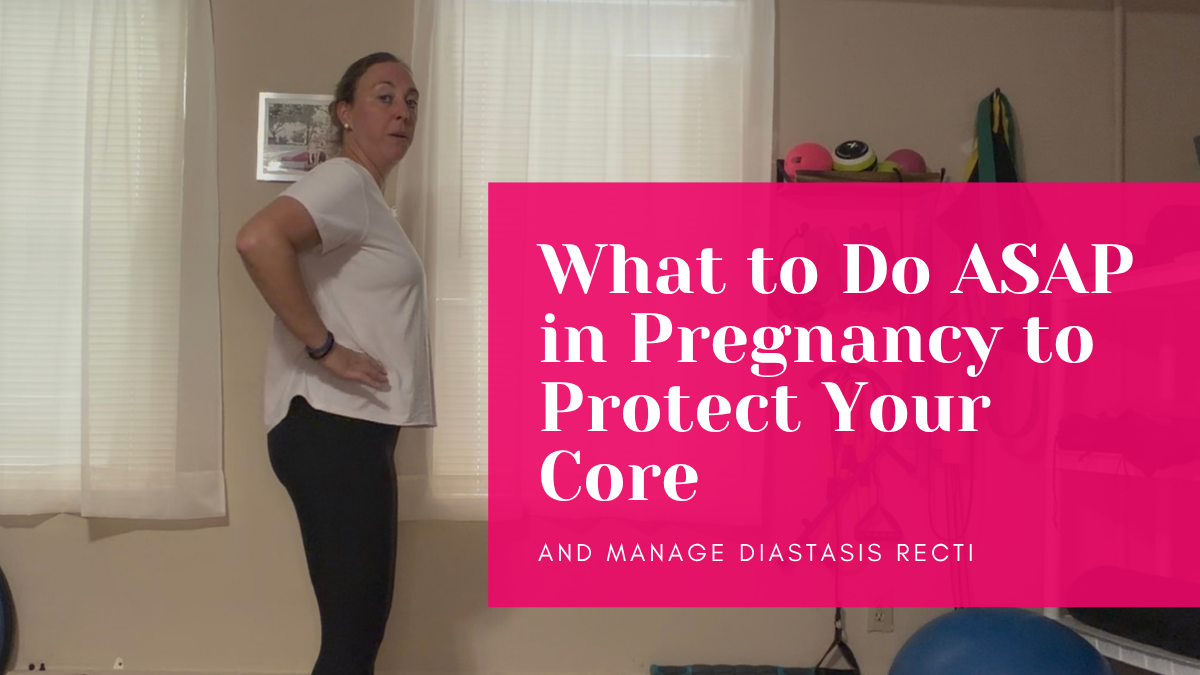
Pregnant and asking how to avoid DR? Here’s what you need to start doing ASAP for your core, breath, and posture to protect your body!
One of the most common messages I get in my DMs from newly expecting mamas goes something like this:
"I recently found out I was pregnant, how can I avoid DR?"
First off, congratulations! Discovering you’re pregnant is such an exciting time, but it’s completely normal for worries about your body, recovery, and core health to start popping up right away.
Before we dive into action steps, let’s clear up a major myth about Diastasis Recti (DR). Some abdominal separation during pregnancy is entirely normal and expected. Your connective tissue (the linea alba) has to stretch to make room for a growing baby! The goal isn’t necessarily to completely avoid separation—it’s about managing intra-abdominal pressure so your connective tissue stays resilient, your pelvic floor stays supported, and your postpartum recovery is much smoother.
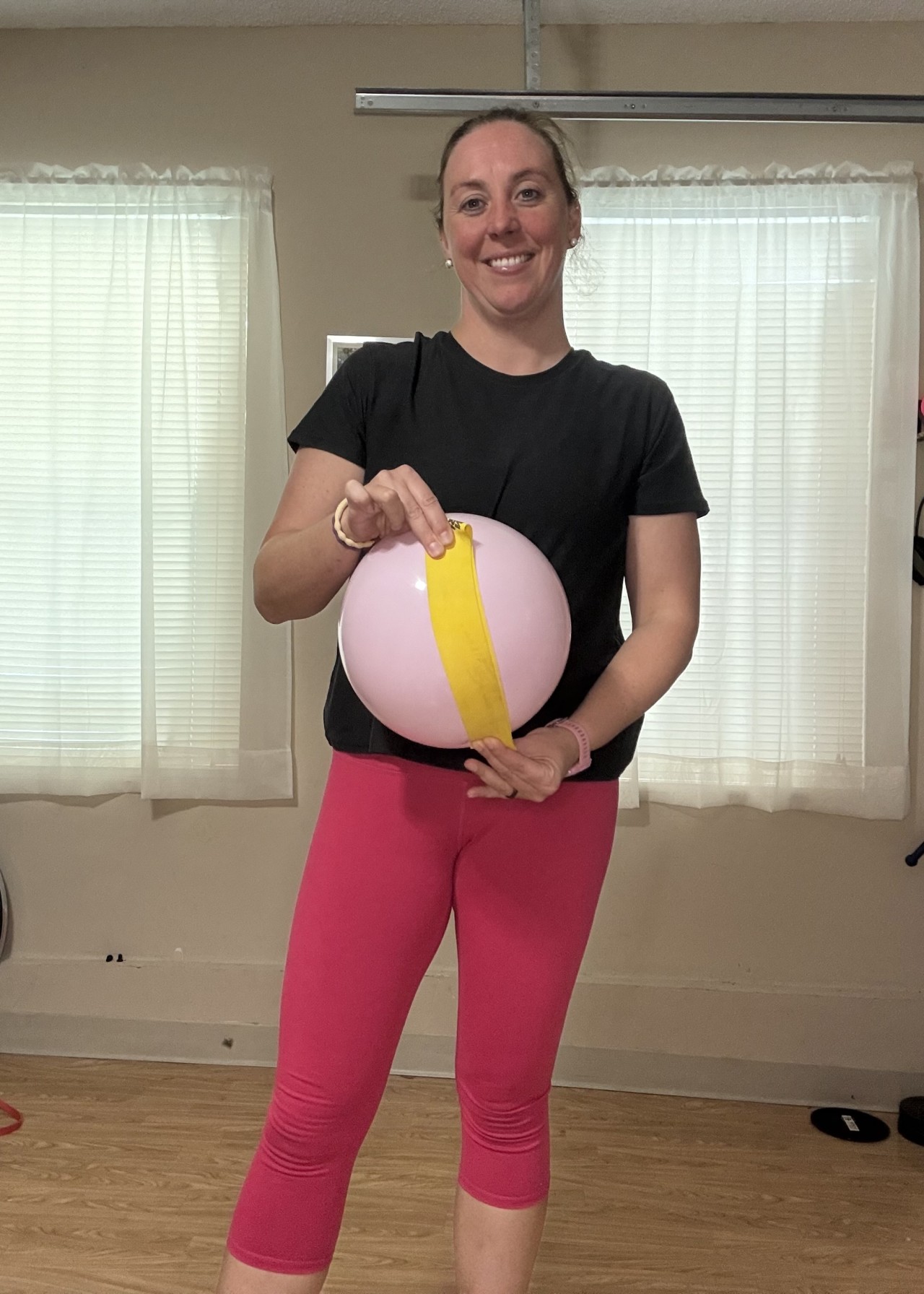
If you just found out you're expecting (even if you are furuther along), here are the core-protecting habits I advise my clients to start ASAP.
1. Learn Proper 360 Breathing
If there is one habit to start on day one, it’s proper 360-degree breathing. The earlier in pregnancy you master this, the easier it becomes to maintain as the baby grows.
Instead of taking shallow chest breaths or letting your belly collapse outward, focus on breathing laterally into your ribs, sides, and lower back. When your ribs and diaphragm move well throughout pregnancy, it takes excess pressure off your belly and pelvic floor which makes labor much easier. Think of 360 breathing as a gentle internal massage: it helps lengthen muscles, relaxes tight tissues, and calms your entire nervous system.
2. Dial In Your Posture and Daily Movement
We’ve all done it: kicking back on the couch and sinking into a deep slouch after a long day. While relaxing is essential, chronic slouching alters the position of your pelvis, making intra-abdominal pressure management much harder and potentially complicating labor.
To keep your body supported, focus on maintaining strength in key muscles:
- Hamstrings and glutes
- Deep abs and core stabilizers
- Muscles around the rib cage and upper back
3. Be Carefull how You Lift and Hold Your Older Children
If you already have little ones at home, pay close attention to how you lift and hold them. The growing belly changes your center of gravity making it harder on the body to bend and lift larger kids. It's also so easy to pop your hip and rest your toddler there. This can really affect your overall posture and cause problems. Instead try these tips if you must carry them:
- Try having your kid get on a higher surface, before lifting them up.
- Switch hips often while holding them, and even try other ways to support them.
- Ask someone to lift them up to you.
It's also improtant to be very careful when putting an older child in the carseat or crib. If you can, try and let other do that for you.

4. Pay Attention to Your Diet and Digestion
It might surprise you to hear nutrition mentioned in a conversation about core health, but digestion plays a massive role in intra-abdominal pressure.
- Hydrate Constantly: Drinking plenty of water keeps your muscle and connective tissues hydrated and pliable.
- Prioritize Fiber: Straining during bowel movements places severe, downward pressure directly onto your pelvic floor and abdominal wall. High fiber keeps things moving smoothly to avoid this unnecessary strain.
- Avoid Bloating Foods: Steer clear of foods that leave you feeling overly bloated, which places extra outward pressure on an expanding belly.
5. Work with the Right Professional
Every pregnancy is different, which is why general advice only goes so far. Working with a certified pregnancy and postpartum fitness specialist—someone who truly understands perinatal biomechanics and has experienced pregnancy firsthand—is invaluable.
A qualified professional can properly assess your movement patterns before, during, and after pregnancy. They will help you spot subtle bad habits, address muscular imbalances, and tailor exercises that keep you strong, comfortable, and prepared for birth.
Preparing your core for pregnancy doesn't require extreme workouts or restrictive rules. By focusing on your breath, keeping your posture supported, staying hydrated, and seeking expert guidance, you give your body the best tools to handle pregnancy with strength.
What's one change you're planning to make in your daily routine this week? Let me know in the comments below!
Categories: : Deep Core, Diastasis, Pelvic Floor & Core Health, Pregnancy
I have read and agree to the terms & conditions.