Why Recovery Actually Starts During Pregnancy
 Jen Landry
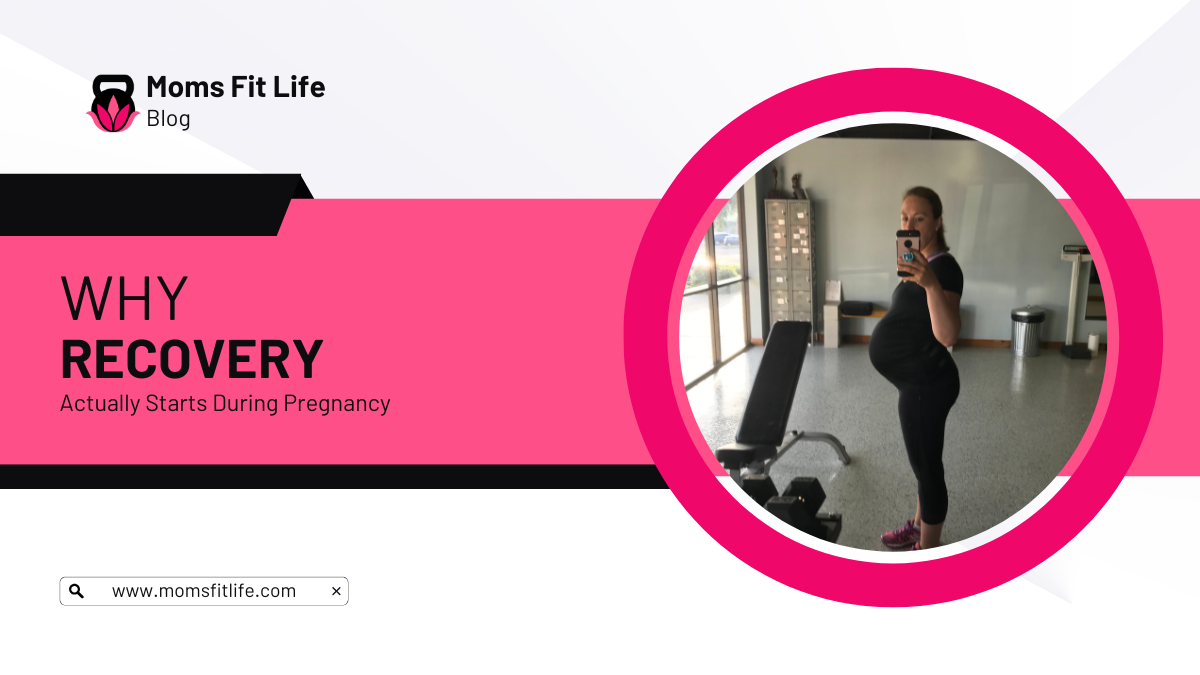
Don't wait for birth to start healing. Learn why early intervention during pregnancy is the secret to a faster, more functional postpartum recovery.
In pregnancy and postpartum, so much of the focus is on the baby.
During pregnancy, women often have 12+ checkups that focus almost entirely on the baby's growth, development, and heartbeat. Once the baby arrives, they have over eight appointments with a pediatrician.
In that exact same timeframe, mothers typically receive just 1 to 3 appointments focused solely on them.
Sure, we might be asked how we’re feeling, get a routine mental health screening, or receive care if something is actively hurting. But we are almost never the true focus. Yet, a mother's body and hormones are changing just as rapidly as the baby's. We are expected to head home from the hospital and care for this new little being with minimal regard for the massive physical transition we’ve just experienced.
Think about what’s happening right now. Your body isn't just "carrying" a baby; it is undergoing a massive structural shift. Your ribcage is expanding, your center of gravity is shifting forward, and your pelvic floor is supporting increasing weight every single day.
If we ignore these changes until postpartum, we’re essentially trying to fix a house while the storm is still raging. Early intervention—starting right now—is all about neurological connection. It’s about teaching your brain how to find your deep core muscles even when they are being stretched to their absolute limit.
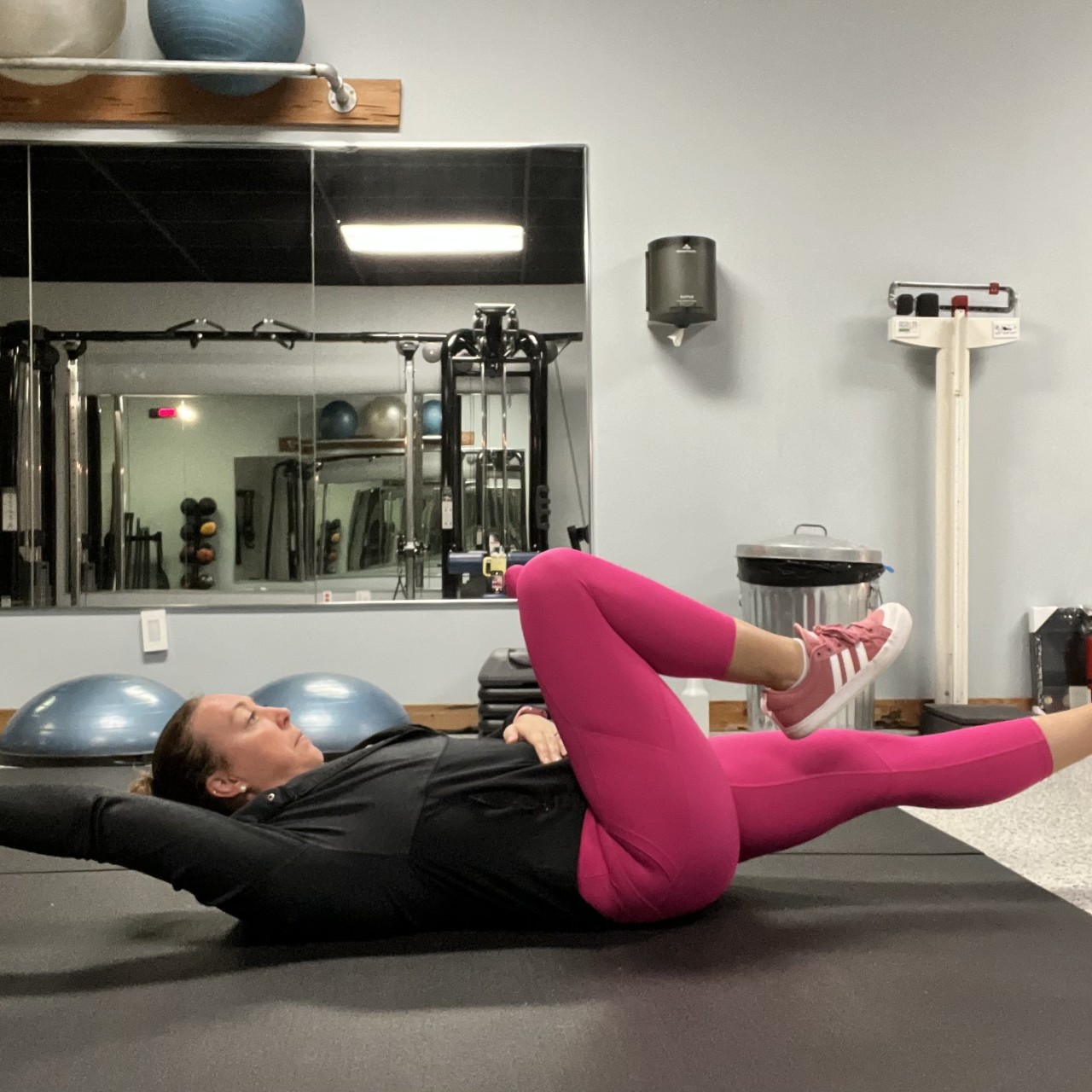
Connecting with the Deep Core
When you have a growing bump, it can feel impossible to "find" your abs. But this is actually the perfect time to practice pregnancy fitness and core connection.
- The Transverse Abdominis (TA): This muscle acts as your internal corset. Learning to gently engage your TA during pregnancy helps support your lower back and can actually make the pushing stage of labor more effective. When you exhale, think about "hugging your baby" with your deep core.
- The Pelvic Floor: Your pelvic floor isn't just a static hammock; it’s a dynamic system. For optimal pelvic floor health, we need these muscles to be able to both contract and fully relax. Standard Kegels only focus on the contraction and completely ignore how the deep core connects as a whole. You need more than just Kegels.
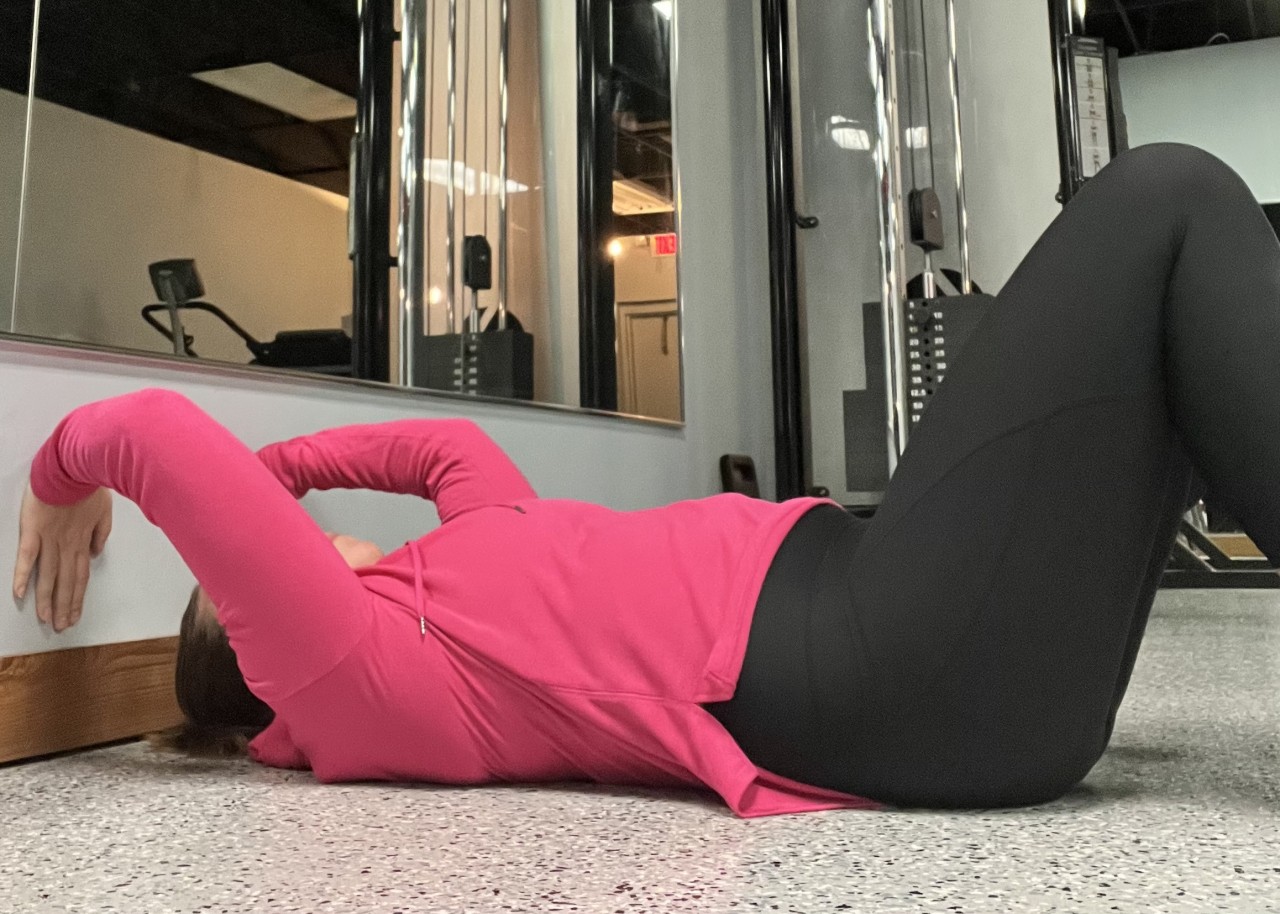
Navigating Postural Changes
Understanding how your posture changes during pregnancy is the ultimate key to entering postpartum symptom-free and feeling great. During pregnancy, certain muscle groups tend to "check out" due to your shifting center of gravity. Targeting these specific muscles now ensures you have the tools to combat postural shifts and prevent common pain points, like lower back or pelvic girdle pain.
The "Boring" Prep Pays Off
I know, practicing breathwork at the end of a long day can feel "lazy" compared to the high-intensity workouts you might be used to. But this foundational prenatal workout style is what allows you to be that "grandma who can still lift heavy things" later in life.
By focusing on alignment and core connection now, you actively reduce the risk of severe diastasis recti (abdominal separation) and long-term leaking.
None of this needs to feel like a chore added to your already crazy plate. It's simply about adjusting your current workouts to focus on the right goals. Even outside of pregnancy, utilizing the deep core to lift is incredibly important for strength and hypertrophy—so it is extra vital to learn it now. Training during pregnancy is quite literally the "prehab" for labor, and it can make childbirth much easier.
Start your foundation today with my Pelvic Floor Essentials Guide.
Want to explore further?
- Back to: 7 Things to Know Before Baby
- Next Up: Why Pressure Management is Your Best Defense
- Another Helpful Resource: 7 Postpartum Essentials Every Mom Should Know
Categories: : Pelvic Floor & Core Health, Pregnancy
I have read and agree to the terms & conditions.